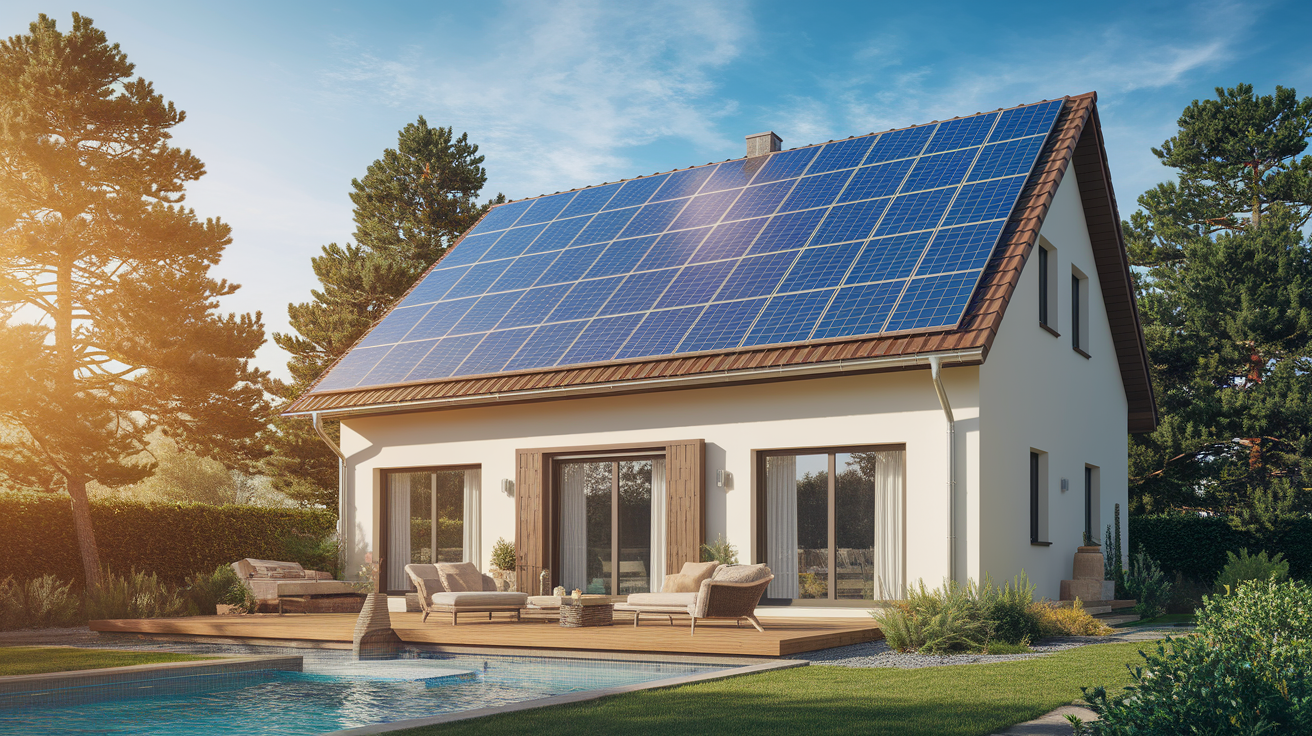
It’s crucial to understand how many solar panels you need to adequately power your home, as this can significantly impact your energy costs and sustainability efforts. The number of panels required depends on various factors, including your energy consumption, geographical location, and the efficiency of the solar panels available. In this blog post, we will guide you through the process of calculating your solar needs, empowering you to make informed decisions about transitioning to renewable energy.
Key Takeaways:
- Energy Consumption: The number of solar panels needed depends on your home’s average energy consumption, typically measured in kilowatt-hours (kWh) per month.
- Panel Output: The output of each solar panel, commonly between 250 to 400 watts, significantly affects the total number required to meet energy needs.
- Location: Your geographic location plays a crucial role, as sunlight availability and intensity vary, impacting the efficiency and production of solar panels.
- System Size: A typical residential solar system ranges from 4 to 10 kW, which generally requires about 15 to 30 panels, depending on the panel wattage.
- Incentives: Various state and federal incentives can reduce the overall cost of solar installation, potentially influencing the number of panels you might invest in.

Understanding Solar Energy
Your journey into solar energy begins with a fundamental understanding of what it is and how it can benefit your home. Solar energy is derived from the sun’s rays, which are harnessed and converted into usable electricity or heat. This renewable form of energy can significantly reduce your electricity bills and carbon footprint, aligning with sustainable living practices. As solar technology continues to advance, more homeowners are making the switch to harness the power of the sun.
What is Solar Energy?
Energy from the sun is not only abundant but also free. It can be converted into other forms of energy, such as electricity, through a variety of techniques. This energy is captured using solar panels, which utilize photovoltaic (PV) technology to convert sunlight directly into electricity. Understanding solar energy’s potential is the first step in assessing its viability for your household needs.
How Solar Panels Work
One of the key elements in solar energy systems is the solar panel, which consists of numerous solar cells made of silicon. When sunlight hits these cells, it excites particles, generating direct current (DC) electricity. This electricity is then sent to an inverter, which converts it into alternating current (AC) electricity, the form used by most residential appliances. This process ensures that your home can utilize the energy captured from the sun efficiently.
A solar panel system can also be linked to the power grid. In such a setup, excess energy produced can be fed back into the grid, and you may receive credits in return. By understanding how solar panels work, you empower yourself to make informed decisions regarding energy consumption and savings.
Types of Solar Panels
The solar panel market offers various types to suit different needs and budgets. The three main types include Monocrystalline, Polycrystalline, and Thin-Film solar panels. Monocrystalline panels are known for their high efficiency and sleek design, while Polycrystalline panels are typically more affordable but offer slightly lower efficiency. Thin-Film panels are flexible and lightweight, making them ideal for specific circumstances, although they generally have a lower efficiency rating compared to the other two types.
| Type of Solar Panel | Description |
|---|---|
| Monocrystalline | High efficiency and long lifespan, made from single crystal silicon. |
| Polycrystalline | More affordable; made from multiple silicon crystals, slightly lower efficiency. |
| Thin-Film | Flexible and lightweight; lower efficiency and generally less space-efficient. |
| Building-Integrated | Integrated into building materials; aesthetically pleasing but often costly. |
| Agrophotovoltaics | Combines agriculture with solar energy; dual-use of land. |
Recognizing these differences is fundamental when planning your solar energy system. By choosing the right panels for your home, you can maximize efficiency and savings on energy costs, while also contributing to a more sustainable environment.
What you choose ultimately depends on various factors such as your budget, energy needs, and available space for installation. Understanding the types of solar panels will assist you in making an informed decision that aligns with your lifestyle and sustainability goals.
- Monocrystalline: High efficiency, most space-efficient.
- Polycrystalline: Affordable, slightly less efficient than monocrystalline.
- Thin-Film: Flexible, suitable for unique installations.
- Building-Integrated: Aesthetic integration with structures.
- Agrophotovoltaics: Dual-use of land for agriculture and energy.
Recognizing these types of solar panels will help you navigate the options available in the solar market and choose the best fit for your home’s energy needs.

Assessing Energy Needs
You need to have a clear understanding of your household’s energy needs to determine how many solar panels will be required to power your home effectively. This entails evaluating your energy consumption and analyzing your use patterns. By grasping the intricacies of your energy habits, you’ll be well-equipped to make informed decisions regarding your solar energy setup.
Calculating Your Household Energy Consumption
Consumption data forms the foundation of your analysis. Start by reviewing your utility bills from the past year—these typically provide a total kilowatt-hour (kWh) figure that reflects your household’s monthly energy usage. It’s imperative to calculate the overall energy consumption in kilowatt-hours, as this will be crucial in estimating how much solar power you need to generate. Additionally, consider other factors that can affect consumption, such as seasonal changes in usage and the efficiency of your electrical appliances.
Breaking down your energy consumption into daily and monthly averages can also offer valuable insights. Consider listing each major appliance’s energy usage and how often you use them. This helps you pinpoint areas where energy is used most and can guide you on potential energy efficiency improvements. With this data, you can better match your energy needs with the output of potential solar panel installations.
Analyzing Energy Use Patterns
To truly optimize your solar energy system, you should analyze your energy use patterns. These patterns reveal when your household consumes the most electricity, which can inform your solar panel placement and battery storage decisions. Knowing peak consumption hours is vital, particularly if you intend to utilize energy during peak times when rates might be higher without additional stored power.
Patterns can also highlight potential savings through demand side management programs, where you can shift energy-intensive tasks like laundry or dishwashing to off-peak hours. A clear understanding of your energy use throughout the day, week, and seasons allows you to align solar generation with your consumption and maximize the efficiency of your system.
Factors Influencing Energy Needs
Energy requirements in your household can be influenced by several factors. Pay attention to aspects like the size of your home, the number of occupants, and even your lifestyle choices. Each person in your home affects your overall energy usage, and larger homes often require more energy to heat and cool. Other considerations include the efficiency of your appliances and lighting, as well as the use of energy-intensive equipment like electric vehicles or swimming pools.
- Household size and occupancy
- Efficiency of appliances
- Seasonal climate variations
- Specific electrical needs, like electric heating or cooling
The better you understand these influences, the more accurate your estimate of solar panel requirements will be. With a comprehensive grasp of the factors at play, you’ll be in a strong position to tailor your solar energy system to meet your unique needs.
It’s also worth considering elements such as home insulation, window efficiency, and orientation towards sunlight. Each of these factors plays a critical role in how much energy your home consumes and can also affect the efficiency of your solar power system.
- Home insulation quality
- Window and door efficiency
- Orientation and shade from nearby structures
- Energy-efficient upgrades such as LED lighting
The examination of these elements will enable you to refine your solar panel investment further, optimizing both cost and performance.
Solar Panel Ratings
Many homeowners exploring the opportunity to harness solar energy may wonder what factors influence the number of solar panels required to power their home. One of the necessary elements to consider is the ratings of the solar panels themselves, specifically their wattage and efficiency. Understanding these ratings is critical in determining how efficiently the solar system can convert sunlight into usable electricity for your home.
Wattage of Solar Panels
Panels are measured in Watts, which indicates the amount of power they can generate under ideal conditions. Most residential solar panels range from 250 to 400 watts per panel. This wattage rating helps you estimate how many panels you’ll need based on your household’s energy consumption. To determine the total number of solar panels required, you will need to assess your average monthly electricity usage and divide that by the estimated output of your chosen solar panels.
In general, higher wattage panels will produce more electricity, allowing you to use fewer panels to meet your energy needs. However, it’s necessary to balance wattage with other factors like installation space and budget, so you achieve an optimal outcome that suits your home’s specific requirements.
Efficiency Ratings and Performance
Wattage isn’t the only aspect of solar panel ratings; efficiency is another crucial metric to consider. This percentage shows how well a solar panel converts sunlight into energy. Most residential panels have an efficiency rating ranging from 15% to 22%. A higher efficiency panel means that more energy is generated per square foot, making it an excellent choice for homes with limited roof space.
When dicking out solar panels, consider both the wattage and efficiency ratings to find the most effective options for your energy needs. Investing in higher-efficiency panels can lead to long-term savings, particularly if you have space constraints or are aiming for a sustainable energy solution right from the start.
Understanding Degradation Rates
For solar panels, degradation refers to the gradual reduction in their power output over time. All solar panels will experience some degree of degradation, but premium panels typically have slower rates. It’s necessary for homeowners to understand how degradation affects long-term energy production and efficiency. Generally, you can expect a panel to lose about 0.5% to 1% of its efficiency per year, meaning that over 25 years, a panel could retain around 75% to 87% of its original output.
This degradation factor is crucial in your solar panel system estimation since you’ll need to calculate how this reduction will impact your overall energy needs as the years progress. Keeping an eye on warranty periods and guarantees from manufacturers can provide peace of mind, ensuring your investment in solar energy remains fruitful over the long term.
Understanding degradation rates is vital for proper solar panel management and long-term planning. By selecting panels with lower degradation rates, you can potentially maximize the return on your investment, securing a reliable source of renewable energy for years to come. You’ll want to compare different manufacturers and products to fully grasp how these rates may affect your energy production over time.
Calculating the Number of Solar Panels
After deciding to transition to solar energy, the first step is to understand how many solar panels you will need to effectively power your house. This often hinges on various factors including your energy consumption, the efficiency of the solar panels, and your geographical location. By calculating these elements, you can arrive at a clearer picture of your solar panel requirements.
Establishing Your Solar Goals
An imperative aspect of your solar journey begins with establishing clear goals. Are you aiming to cover 100% of your energy needs, or are you looking to offset a portion of your utility bills? By defining your objectives, you can focus on how much energy you’d like to generate from solar panels, thereby guiding your calculations moving forward.
Additionally, consider your long-term plans. If you anticipate an increase in energy consumption due to factors such as home expansion or electric vehicle charging, factor this into your calculations. A well-established solar goal will not only streamline the installation process but also ensure you are equipped to handle future energy demands.
Factors to Consider
One critical phase in determining how many solar panels you need involves several influencing factors. These include your average monthly electricity consumption, the sunlight hours in your area, and the wattage of the solar panels you intend to use. Understanding these aspects will arm you with the right information to make informed decisions. Consider the following:
- Your average monthly electricity bill
- The peak sunlight hours you receive at your location
- The wattage ratings of your selected solar panels
Any calculation made without considering these elements may lead to under- or overestimating your solar panel needs.
Additionally, think about potential shading issues from nearby trees or buildings, the orientation of your roof, and any possible upgrades to your home appliances that could affect energy consumption. Keeping these components in mind will paint a clearer picture of your unique solar requirements.
- The orientation of your rooftop
- Your home’s shading and landscape
- The efficiency of the solar panels you are considering
Any overlooked detail can significantly impact the effectiveness of your solar installation.
Step-by-Step Calculation Process
Panneled calculations can be streamlined through a straightforward process. Start by gathering key figures such as your average monthly energy usage in kilowatt-hours (kWh). Once you have this number, you can follow a systematic approach using the following guidelines:
| Step | Description |
|---|---|
| 1 | Calculate your total annual energy consumption by multiplying your monthly usage by 12. |
| 2 | Determine your area’s peak sunlight hours to understand how much sunlight your solar panels will utilize. |
| 3 | Multiply the peak sunlight hours by the wattage of the solar panels you’re interested in. |
| 4 | Divide your total annual energy consumption by the result from step 3 to find out how many panels you need. |
Understanding each of these calculation steps can help you get precise in your panel requirement. For instance, if your home consumes 10,800 kWh annually and you opt for panels that generate 300 watts each with about 5 peak sunlight hours per day, you can accurately determine the number of solar panels required to meet your energy goals.
| Component | Value |
|---|---|
| Annual Energy Consumption (kWh) | 10,800 |
| Panel Wattage | 300 W |
| Peak Sunlight Hours (daily) | 5 hours |
| Total Panel Output (daily) | 1.5 kWh (300W * 5 hours / 1000) |
| Panels Required | Average 6 panels (10,800 kWh / 365 days / 1.5 kWh) |
For instance, if you discover that your home requires an average of 900 kWh per month, applying these calculations allows you to establish that around 6 solar panels would be necessary, provided they operate under ideal conditions and sunlight hours. This exactness in calculation ensures that your solar energy system aligns closely with your household’s needs.
Space and Installation Considerations
To effectively harness solar energy for your home, it’s necessary to evaluate the space available for solar panel installation. This involves assessing both your roof space and the surrounding areas to determine how many solar panels can be accommodated. Additionally, understanding the installation process and any spatial constraints will help ensure that your solar system operates at its peak efficiency. Planning ahead is critical to maximizing the benefits of your solar investment.
Assessing Roof Space for Solar Panels
Considerations for roof space include the size, orientation, and condition of your roof. You’ll want to measure the total area available and identify any obstructions, such as chimneys, vents, or skylights, that could hinder panel placement. Additionally, make sure your roof can support the weight of the solar panels, particularly if you’re considering a larger system. If your roof is too small or not in good condition, you may need to explore ground-mounted systems or additional installation locations.
Also, be mindful of shading from nearby trees or buildings, as this can significantly reduce the effectiveness of your solar system. Ideally, you want a roof that has minimal shade, allowing the panels to receive maximum sunlight throughout the day. If your roof is not suitable, consider alternative mounting solutions such as solar carports or solar canopies in your yard.
Orientation and Tilt Angles
Orientation plays a vital role in the efficiency of your solar panels. The ideal orientation for solar panels in most regions of the United States is south-facing, as this maximizes exposure to sunlight throughout the day. However, if your roof faces east or west, you can still benefit from solar energy, but you may need more panels to achieve the same energy output. Adjusting the tilt angles of your panels can also optimize their performance, depending on your geographic location.
Angles are critical because they dictate how much sunlight your solar panels capture each day. A fixed tilt at an angle corresponding to your latitude maximizes energy production year-round. If you live in an area with distinct seasons, an adjustable tilt system may be more advantageous to capture the maximum sunlight during different times of the year.
Permitting and Local Regulations
One important aspect to consider when planning a solar panel installation is the permitting and local regulations that may apply to your area. Each jurisdiction has its own set of rules regarding solar installations, which can include zoning restrictions, building codes, and permitting requirements. Before proceeding with your installation, you should research and familiarize yourself with these regulations to ensure compliance and avoid potential delays or fines.
A thorough understanding of local regulations can also help you take advantage of any incentives or rebates offered by state or local governments for solar energy systems. Be sure to consult with local authorities or a solar installation professional who can guide you through the process, ensuring that you properly secure all necessary permits and approvals before starting your solar project.
Costs and Financial Incentives
All homeowners considering solar power need to weigh the financial implications of installation, including the initial costs and the potential for long-term savings. Understanding the available financial incentives can be crucial in determining whether solar panels are a feasible option for you. As you examine into the details, knowing your budget and the costs associated with solar energy will help you make informed decisions moving forward.
Initial Costs of Solar Installations
One critical aspect of solar installations is the upfront investment required. The price of solar panels,, inverters, and installation can vary significantly, often ranging from $15,000 to $30,000 for a typical residential system. This cost may feel overwhelming initially, but it’s imperative to consider that this investment usually pays off over time through energy savings. To understand the investment better, you should also factor in additional costs such as permits, inspections, and potential rooftop adjustments.
One significant factor to keep in mind is that solar technology prices have been steadily declining over the past few years, making it more accessible. Many suppliers offer flexible payment plans, financing, and leasing options which can minimize the burden of initial costs. Researching local solar providers will help you to explore these options and find the best deal that suits your financial situation.
Government Incentives and Rebates
Solar energy adoption has been encouraged by various government incentives and rebates that aim to offset the initial investment cost. These incentives can vary from state to state, but many homeowners can benefit from federal tax credits, local utility rebates, and state-specific grants. The Federal Investment Tax Credit (ITC) allows you to deduct a significant percentage of your solar installation costs from your federal taxes, which can lead to substantial savings in the long run.
This incentive landscape is continually evolving, and staying informed on the latest incentives can help you maximize your savings. Many states also offer additional rebates or tax benefits for those who choose to install solar energy systems, so researching your local regulations is imperative. It’s prudent to consult with your solar provider, as they often have updated information on financial incentives available in your area.
Long-term Savings and ROI
On top of the initial costs and government incentives, you should consider the long-term savings associated with solar panel installation. Once your solar energy system is fully operational, you can significantly reduce or even eliminate your monthly electricity bills. Over the lifespan of your solar panels, which typically last 25 years or more, the savings from your reduced energy costs can accumulate substantially, often exceeding the initial investment you made.
To understand the true value of your solar installation, it’s imperative to calculate the return on investment (ROI). When done correctly, solar can provide a ROI of 10-20%, depending on various factors like local electricity rates and your energy usage patterns. Overall, the long-term savings and increasing electricity costs may help you see that investing in solar power is not just an environmentally conscious choice, but also a financially sound one that can improve your household’s financial health.

Maintenance and Upkeep
Now that you have invested in solar panels to power your home, it is crucial to understand the maintenance and upkeep required to keep your system running efficiently. Regular maintenance not only maximizes the energy output of your solar panels but also extends their lifespan, ensuring that you get the most out of your investment.
Regular Maintenance Requirements
With the right care, your solar panel system can operate at peak efficiency for many years. One of the simplest maintenance tasks you can perform is to regularly clean your panels. Dust, debris, bird droppings, and leaves can obstruct sunlight and reduce energy production. Depending on your location, you might need to clean your panels every few months or at least twice a year. Additionally, inspecting your solar panels for any visible damage—such as cracks or loose wiring—is vital.
You should also monitor the inverter and other components for performance issues. Inverters convert the sunlight captured by your panels into usable electricity; if they are not functioning properly, it can significantly affect your system’s energy output. Many modern inverters come equipped with monitoring systems that provide real-time feedback on performance, which can help you keep track of any irregularities.
Monitoring System Performance
Requirements for effective monitoring of your solar panel system can vary widely depending on your configuration. Most homeowners will benefit from investing in a monitoring system, either integrated into the inverter or a standalone application. This system allows you to observe production levels, track energy savings, and identify any potential malfunctions at a glance.
Maintenance of your monitoring system is vital to ensure accuracy. Regularly check the application or interface to ensure it is functioning properly and that data is being reported accurately. This could include rebooting the system occasionally, updating software, or verifying that all connections are secure. Should you notice discrepancies in energy generation or performance, consult a technician to address any potential issues promptly.
Understanding Warranty and Lifespan
Requirements concerning warranty coverage should also be a key consideration for you as a solar panel owner. Most solar panel manufacturers provide warranties that last anywhere from 20 to 25 years, covering material defects and performance. It’s crucial to familiarize yourself with the terms and what they specifically include or exclude, as this information can affect your long-term satisfaction with the product.
Your solar installation could come with warranties that cover other components too, such as inverters and mounting systems. Understanding and keeping track of these warranties can help you address any problems quickly and safeguard your investment. Remember to register your products and maintain records of your system’s performance and upkeep to ensure you can take full advantage of your warranty if needed.
System performance can significantly impact your overall energy savings, so understanding how warranties work helps you make an informed decision about future upgrades and replacements, ensuring that you’re always operating at optimal efficiency.
Summing up
Now that you have a clearer understanding of how many solar panels you may need to power your house, it’s important to consider various factors that influence your energy requirements. You should assess your household’s energy consumption, the average sunlight hours in your location, and the efficiency of the solar panels you plan to install. This personalized evaluation will not only aid in determining the ideal number of panels for your home but also ensure that you are maximizing the benefits of solar energy, contributing to both cost savings and environmental sustainability.
Furthermore, by visiting resources such as How Many Solar Panels Are Needed to Run a House in …, you can gain additional insights and calculations relevant to your specific circumstances. Keep in mind, investing in solar energy is not just a matter of numbers; it’s about creating a responsible and eco-friendly energy solution for your home. Understanding your unique situation will empower you to make informed decisions that align with your energy needs and sustainability goals.
FAQ
Q: How do I determine how many solar panels I need to power my house?
A: To determine how many solar panels you need, start by assessing your average energy consumption, which is typically measured in kilowatt-hours (kWh). Review your electricity bills to find your monthly energy use. Next, calculate the total energy your solar panels need to produce to offset your electricity consumption. Consider local sunlight exposure, as this affects panel efficiency. Finally, divide your total energy requirement by the average output of a single panel in your area to estimate the number of panels needed.
Q: What factors influence the number of solar panels required?
A: The number of solar panels needed can be influenced by several factors, including the size of your home, the energy efficiency of your appliances, geographic location, roof orientation, and shading from nearby trees or buildings. Additionally, the wattage rating of the solar panels you choose will also affect the total number; higher wattage panels can produce more energy, potentially reducing the number needed.
Q: Are there different types of solar panels, and how do they affect the number needed?
A: Yes, there are mainly three types of solar panels: monocrystalline, polycrystalline, and thin-film. Monocrystalline panels are more efficient and require fewer panels to achieve the same output, while polycrystalline panels are generally less expensive but take up more space due to lower efficiency. Thin-film panels are lightweight and flexible, but they also tend to have the lowest efficiency. Your choice of panel type will affect the total number required to meet your energy needs.
Q: Can I power my entire house with solar panels?
A: Yes, you can power your entire house with solar panels, but this depends on your energy consumption and the installation’s size. A properly sized solar panel system can offset most or all your electricity needs, especially if you use energy-efficient appliances and practices. Additionally, incorporating a battery storage system can allow you to store excess energy for use during non-sunny periods, increasing your home’s energy independence.
Q: What if my roof is not suitable for solar panels?
A: If your roof is not suitable for solar panels due to orientation, shading, or other factors, there are alternative options. These include ground-mounted solar systems if you have adequate land space, community solar programs that allow you to invest in off-site solar farms, or solar carports. It’s also worth consulting with a solar energy expert who can provide customized solutions based on your unique circumstances.