How to Monitor Your Solar Panel Performance
Many homeowners rely on simple checks to track output; you should use live data, inspect for shading and cleaning, and watch for a sudden output drop that signals danger. Regular
Energy for A Greener Future
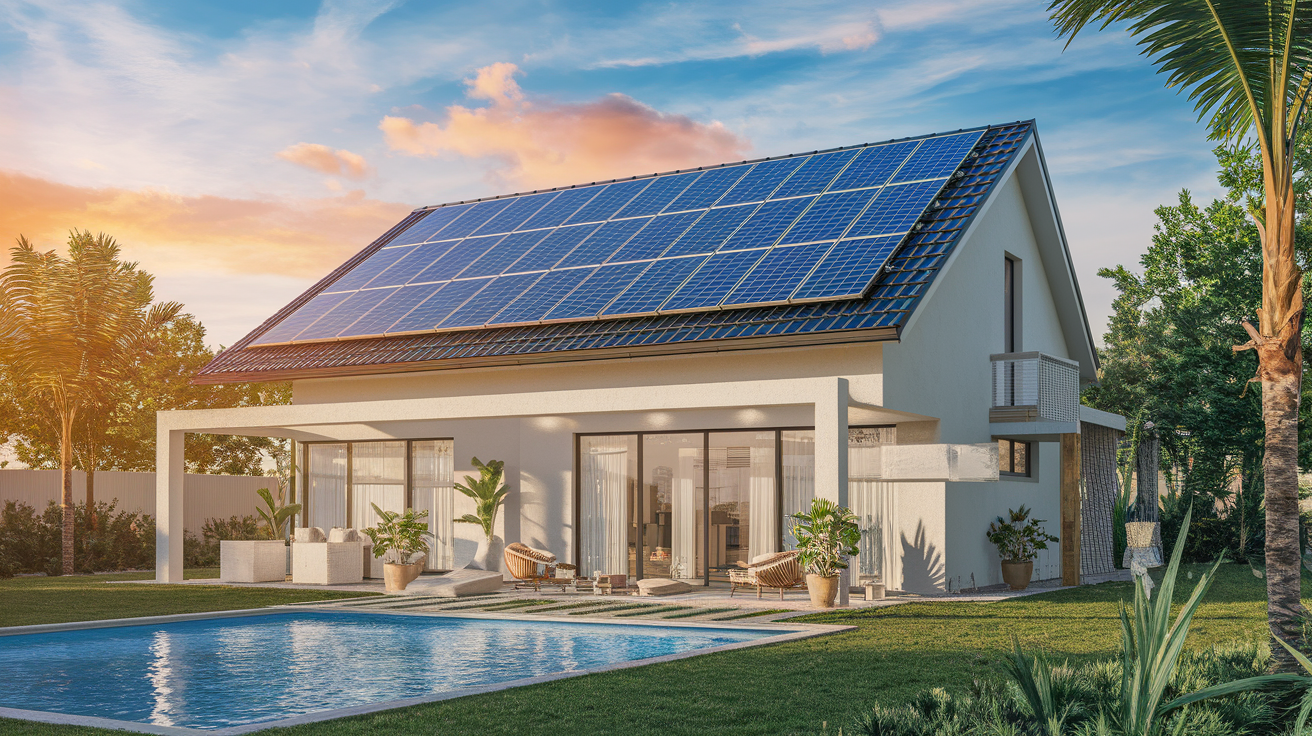
Many homeowners rely on simple checks to track output; you should use live data, inspect for shading and cleaning, and watch for a sudden output drop that signals danger. Regular
This guide explains how factors like UV-induced degradation, heat and microcracks and soiling reduce your panels’ output, how inverter faults can be dangerous, and how regular maintenance and warranties provide
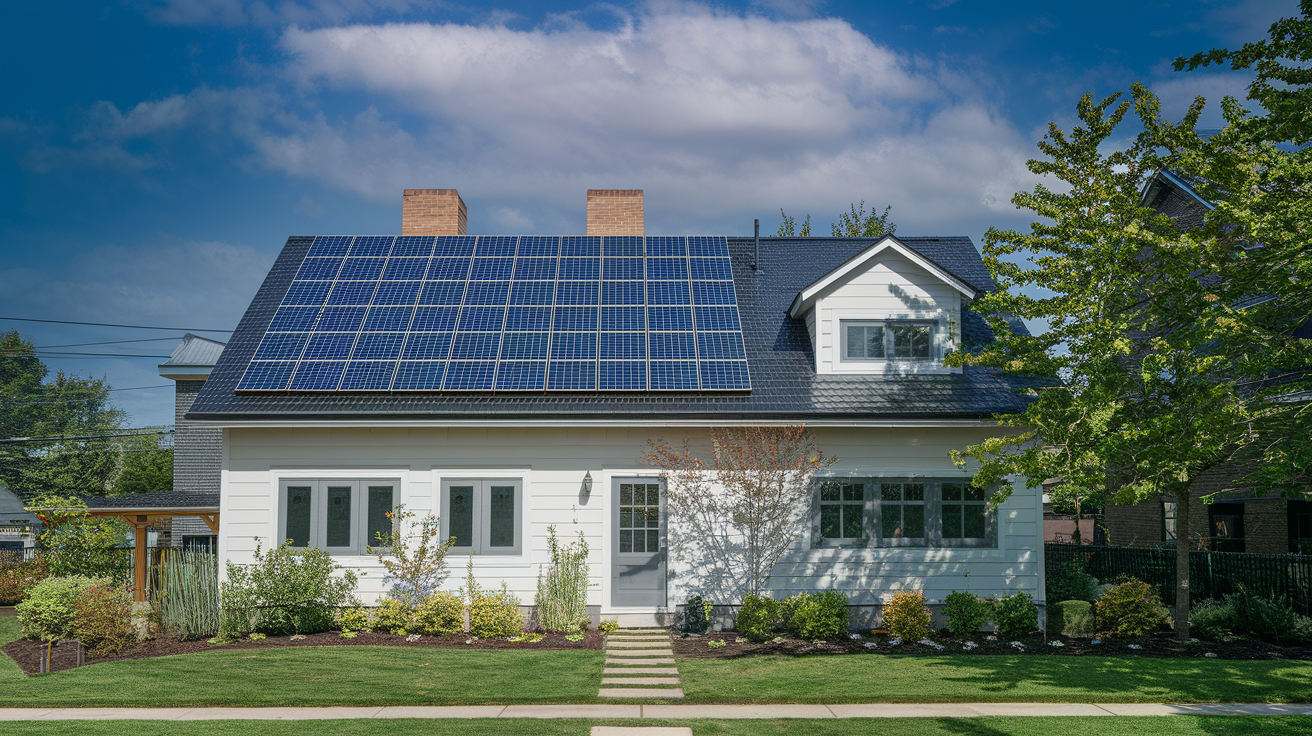
Many storms bring hail and high winds that can shatter panels; you should inspect mounts, trim trees, install impact-resistant film, and hire professional installation to reduce damage. Key Takeaways: Regular
Over 25 years, you may see 10-30% degradation and hotspots or delamination that threaten safety; you should monitor output and warranties and replace panels when performance or damage makes them
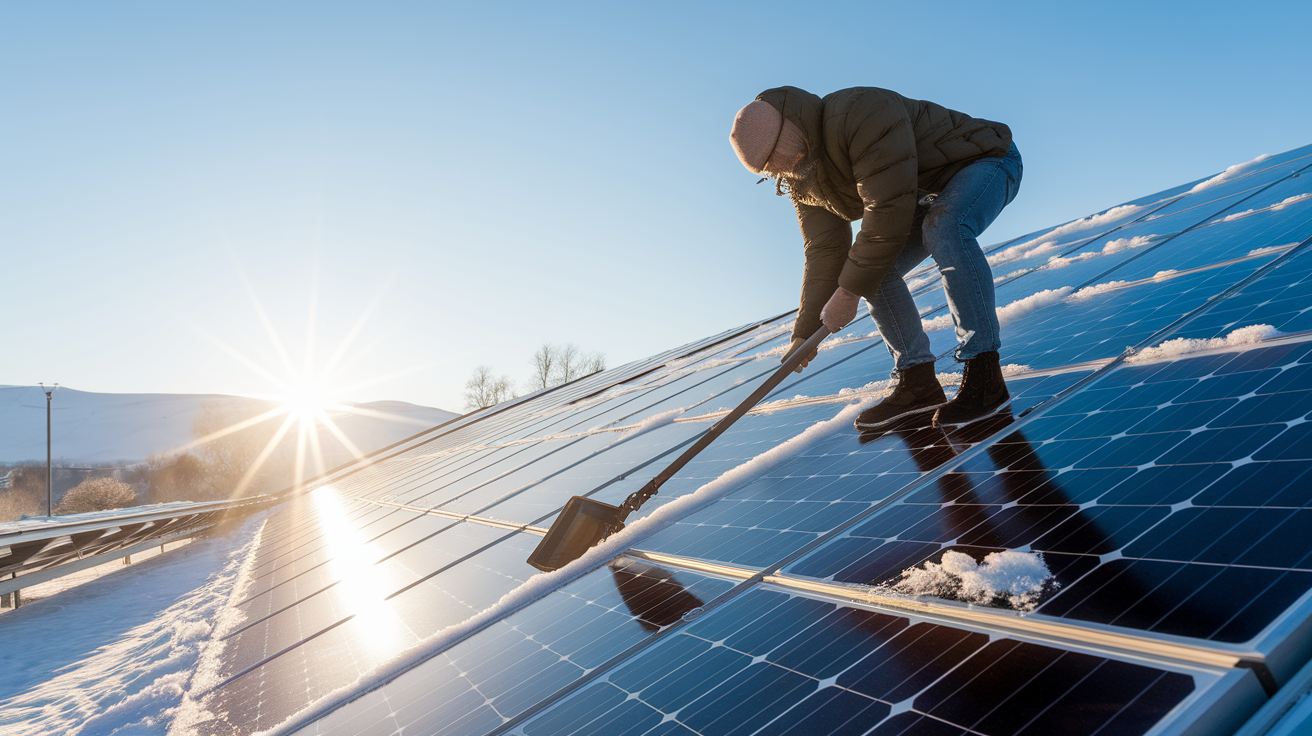
Snow on panels reduces output and risks roof damage; you should clear gently with a soft rake, avoid stepping on icy roofs, and prevent electrical hazards by shutting off arrays