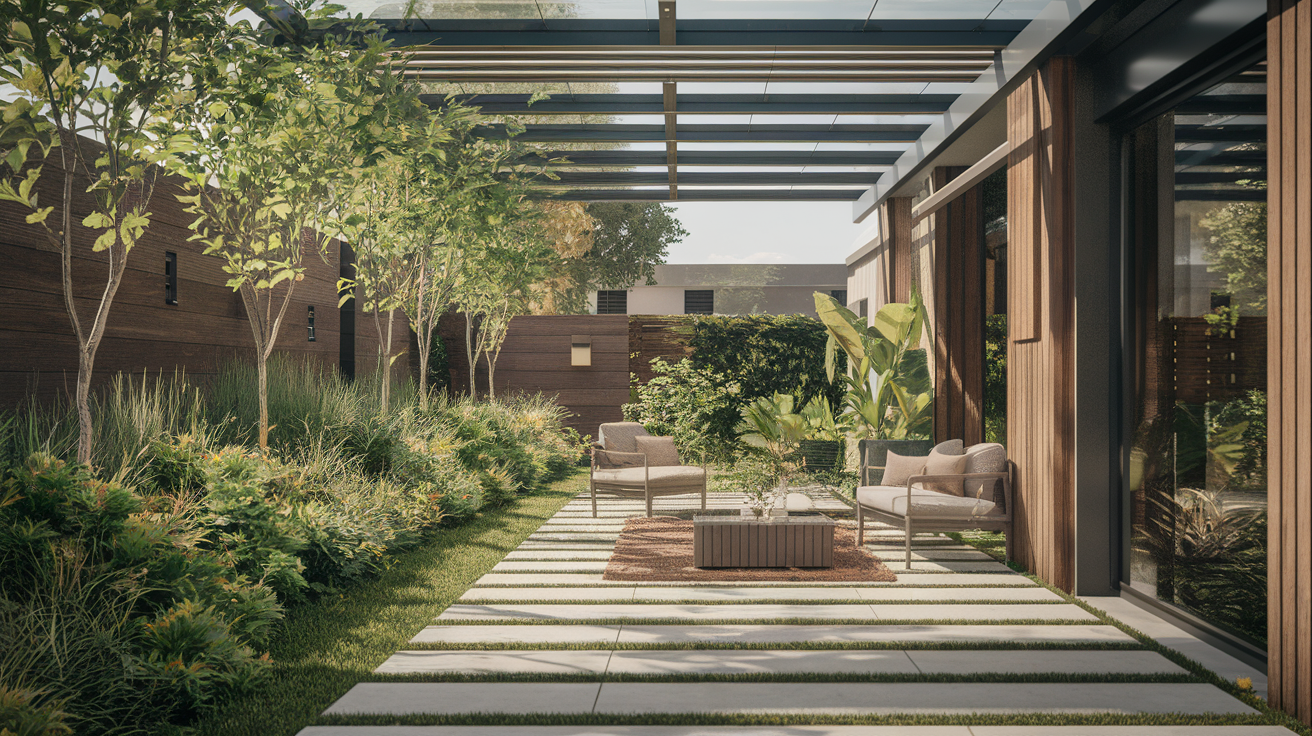
Charge efficiency is a crucial factor to consider when installing outdoor solar lights, especially if you have shaded areas in your yard. You may wonder whether these lights can still gather energy under trees or near structures that block direct sunlight. In this post, we will explore how shade affects solar charging, what alternative solutions are available, and tips for positioning your lights to maximize their performance. Understanding these factors will help you get the most out of your solar lighting investment.

Key Takeaways:
- Sunlight Exposure: Outdoor solar lights require direct sunlight to charge efficiently; shades can significantly reduce their charging capacity.
- Partial Shade Impact: While some solar lights can charge in partial shade, their energy levels will be lower than those exposed to full sunlight.
- Battery Type: The type of battery used in solar lights affects charging; higher quality batteries may retain charge longer even in less sunlight.
- Location Matters: Placing solar lights in areas with consistent sunlight for most of the day maximizes their performance.
- Seasonal Changes: During winter months or cloudy seasons, solar lights may struggle to charge, especially if they’re in shaded areas.

Understanding Solar Panels
The efficiency of outdoor solar lights primarily relies on the solar panels they utilize. Understanding how these panels work and the various types available can help you determine their effectiveness, especially in shaded areas. Solar panels are designed to convert sunlight into electricity, which is then stored in batteries to power the lights after dark. The effectiveness of this energy conversion is contingent upon numerous factors, including the amount of sunlight the panels receive and their overall construction quality.
How Solar Panels Work
Understanding the science behind solar panels is key to appreciating their functionality. When sunlight strikes the solar cells within the panel, photons excite the electrons in the material, generating an electric current. This process is known as the photovoltaic effect. The energy produced is then directed to charge the battery, storing energy for later use, like illuminating outdoor space during the night.
Additionally, each solar panel is made up of many individual solar cells connected together to maximize energy conversion. Depending on the design and quality of the solar cells, the efficiency in converting sunlight to electricity can vary significantly. Factors like temperature, angle, and intensity of sunlight also play a vital role in how effectively your outdoor solar lights will perform in shaded areas.
Types of Solar Panels Used in Outdoor Lights
One critical aspect of selecting outdoor solar lights is the type of solar panels they contain. Typically, there are three main types: monocrystalline, polycrystalline, and thin-film solar panels. Each has its advantages and drawbacks in terms of efficiency, cost, and performance in low-light conditions.
| Type | Characteristics |
| Monocrystalline | High efficiency, space-efficient, expensive. |
| Polycrystalline | Lower efficiency, cost-effective, larger size. |
| Thin-film | Lightweight, flexible, less efficient. |
| Amorphous | Good in low light, very flexible. |
| Bifacial | Capture light from both sides, more power. |
- Monocrystalline panels tend to perform better in shaded areas.
- Polycrystalline may struggle in low-light conditions.
- Thin-film panels are more adaptable, though they are usually less efficient.
- Amorphous panels are particularly good in diffused light.
- Any differences between the types can significantly affect your lighting efficiency.
Work also comes down to how well the solar panels are installed and maintained. Proper positioning in terms of tilt and orientation can lead to maximum efficiency, especially when accounting for environmental factors. Selecting the right type of solar panel is not only about how they function but also where they are placed and how you plan to use your outdoor solar lights.
| Factor | Impact on Efficiency |
| Shade | Reduces energy capture significantly. |
| Orientation | Optimal positioning increases sunlight exposure. |
| Temperature | High temperatures can decrease efficiency. |
| Maintenance | Regular cleaning helps maintain performance. |
| Installation | Improper setup can lead to poor performance. |
- Shade from trees and buildings can drastically affect your solar lights’ ability to charge.
- The direction in which solar panels face directly influences the amount of sunlight received.
- High temperatures may create potential issues due to thermal inefficiencies.
- Regular cleaning of panels ensures no debris obstructs sunlight.
- Assume that each of these factors plays a pivotal role in your solar panels’ overall efficiency.
Affecting the performance of your outdoor solar lights requires careful consideration of all these variables. The impact of environmental conditions, such as shading and positioning, cannot be underestimated when it comes to energy capture. By being aware of these factors, you can make informed decisions on how to best position your solar lights for optimal performance.
- Different types of solar panels respond variably to the same sunlight conditions.
- Environmental awareness is crucial when selecting your outdoor solar light location.
- Battery quality can also impact your scheduled run time after charging.
- Using energy-efficient bulbs can further maximize the use of the energy collected.
- Assume that understanding these elements will aid you in selecting the best outdoor solar lighting solution.
The Importance of Sunlight for Solar Charging
One of the critical factors influencing the efficiency of outdoor solar lights is the amount of sunlight they receive. Solar lights utilize photovoltaic cells to convert sunlight into electricity, which powers the lights. To ensure your solar lights function optimally, it’s important to understand how sunlight, particularly direct sunlight, impacts their charging abilities.
Direct Sunlight vs. Indirect Sunlight
With solar lights, the direct sunlight hitting the panels plays a crucial role in maximizing their efficiency. When solar panels are exposed to direct sunlight, they can absorb more energy, leading to faster and more effective charging. Conversely, if your solar lights are predominantly exposed to indirect sunlight or shaded areas, the energy absorption diminishes significantly, resulting in a suboptimal charging experience.
This lack of direct sunlight can severely impact the performance and longevity of your solar lights. If these lights are frequently used in low-light conditions or are placed in areas that do not receive sufficient direct sun exposure, you may notice shorter operating times, dimmer lights, or a complete lack of functionality. To keep your solar lights running effectively, aim to position them where they can soak up as much direct sunlight as possible during the day.
The Role of Ultraviolet (UV) Rays
Sunlight is composed of various wavelengths, including ultraviolet (UV) rays, which play a vital role in solar energy absorption. It is UV rays that initiate the photovoltaic effect within solar panels, allowing them to generate electricity. Therefore, when solar lights are exposed to sunlight, it’s not just the visible light that contributes to their charging but also the UV component.
Charging your solar lights in areas where UV rays can penetrate, even if partially shaded, can still provide some energy. However, the intensity of the UV rays is much less in shaded areas, leading to inefficient charging. It’s recommended to position your solar lights in locations that receive a higher proportion of UV rays to enhance their performance.
Optimal Sunlight Conditions for Charging
Charging your solar lights requires optimal conditions to ensure they work at their best. Ideally, your solar lights should be placed in areas that receive full sun exposure for a significant portion of the day—approximately 6 to 8 hours. This ensures that the batteries within the solar lights have enough time to recharge fully, readying them for nighttime use.
You should also consider the angle of the solar panels, as they need to be positioned to capture sunlight effectively. Slight adjustments to the orientation can make a considerable difference in how much energy is harvested. For optimal performance, regularly monitor the sunlight exposure and reposition your solar lights if necessary, as trees and nearby structures may grow and cast more shade over time.
Direct sunlight is important for your solar lights to charge efficiently. A good rule of thumb is that the more direct sunlight your lights receive, the better they perform, extending their life and illumination capabilities significantly.
Charging in Shady Environments
Not all outdoor solar lights are created equal when it comes to their charging capabilities in the shade. While they are designed to harness sunlight for energy, their efficiency significantly diminishes in shaded areas. This is primarily due to the lower intensity of light reaching the solar panels when obstructed by trees, structures, or other barriers. Consequently, if you place your solar lights in a location that is predominantly shaded, you may notice they do not perform as well as they would in direct sunlight.
Impact of Shade on Solar Charging
Solar charging relies heavily on uninterrupted access to sunlight. When your solar lights are placed in shaded environments, the conversion of sunlight to electricity diminishes. Each solar panel has a threshold of light that it needs to generate sufficient power, and any significant blockage can result in less energy being captured. This can lead to your lights not functioning as intended, with shorter or even non-existent illumination periods during the night.
Types of Shade and Their Effects
Not all shade is created equal, and the type of shade your solar lights experience can significantly influence their charging efficiency. Solar lights can be affected by different environmental factors, such as dense foliage from trees, tall buildings, or even temporary obstructions like outdoor furniture. Understanding these differences can help you make more informed decisions about where to position your solar lights. Here is a breakdown of common types of shade and their possible effects on charging:
| Type of Shade | Effect on Charging |
| Dense Tree Canopy | Severely reduces light exposure |
| Tall Buildings | Blocks morning and evening sunlight |
| Miscellaneous Outdoor Items | Temporary, but can affect charging cycles |
| Overgrown Shrubs | Constant shade impacting light absorption |
| Intermittent Clouds | Causes short-term fluctuations in performance |
With the right understanding of the effects different shades have on your solar lights, you can better position them for optimal performance. For instance, you should avoid placing them under dense tree canopies or beside tall structures where sunlight is significantly obstructed. Moreover, consider the season and how shadows may cast differently on your lights as the sun’s position changes throughout the year. This attention to detail can help ensure that your solar lights remain highly effective in providing illumination when needed.
- Consider relocating solar lights away from areas with heavy shade.
- Regularly trim nearby trees and shrubs to minimize shade.
- Use reflective surfaces or panels to enhance light distribution.
- Monitor the position of the sun during different times of day.
- Combine solar lights with additional light sources if shade is unavoidable.
With proper planning, you can mitigate the adverse effects of shade on your solar-powered lighting. One strategy is to identify potential areas where solar lights receive the most sunlight exposure during peak hours. You might also consider utilizing solar lights with larger or more efficient solar panels, as these can better capture the limited light available in shaded environments. Additionally, using elevated positions for your solar lights can improve their exposure to direct sunlight, maximizing their energy absorption potential.
Mitigating the Effects of Shade
Solar lights can be a great asset in illuminating outdoor areas, but managing their shade exposure is crucial. One effective approach is to select specific types of solar lights that are designed for shaded environments. Some manufacturers have developed solar lighting solutions with enhanced sensitivity or larger batteries, which can help produce adequate illumination even when light levels are lower. The positioning of lights in relation to surrounding obstacles can also influence performance; consider angling them to capture any available sunlight.
Shade can be a challenge when using solar-powered lights, but you have options. Focusing on placing lights in open areas can be beneficial, as well as considering seasonal changes that could affect shading. Furthermore, using rechargeable batteries or solar lights with solar tracking capabilities can be advantageous in finding and utilizing every bit of sunlight your lights come into contact with.
Alternatives to Solely Using Solar Power
To consider other options for your outdoor lighting needs, you may want to explore solutions that combine various energy sources, particularly if pure solar power isn’t meeting your expectations. While solar lights are efficient in full sunlight, you might find yourself needing additional methods to ensure your lights remain bright even during overcast days or in shaded areas. By incorporating other power sources or combined systems, you can enhance the functionality and reliability of your outdoor lighting.
Hybrid Solar and Battery Systems
Systems that utilize a hybrid approach can truly elevate your outdoor lighting experience. By combining solar power with a rechargeable battery, you can maintain consistent illumination regardless of the weather conditions. During sunny days, the solar panels charge the internal battery, enabling the lights to use stored energy at night or during cloudy periods. This way, you can ensure that your outdoor area remains lit when you need it, without the worry of insufficient sunlight affecting performance.
Another benefit of hybrid systems is flexibility. You can install these systems in areas that may not receive direct sunlight for extended periods and still achieve reliable lighting. Plus, these systems can often be easily integrated with traditional power sources if you choose to upgrade the setup later. This makes hybrid solar and battery systems a powerful alternative for your outdoor lighting needs.
Wind-Powered Outdoor Lighting
Using wind-powered outdoor lighting is another innovative alternative that capitalizes on renewable resources. These systems harness wind energy to generate power, allowing you to benefit from yet another natural energy source. Ideal for areas with consistent wind patterns, wind-powered lights can provide reliable illumination without relying solely on solar energy. This can be particularly advantageous in regions that experience long periods of cloud cover or short daylight hours.
Plus, these systems often work alongside solar-powered lights, creating a complementary energy solution for your outdoor space. With both wind and solar power available, you can enjoy continuous lighting regardless of varying weather conditions. This can lead to enhanced safety and visibility in your outdoor areas during nighttime, offering you peace of mind.
Traditional Electric Outdoor Lighting
With traditional electric outdoor lighting, you benefit from a stable and reliable energy source for your outdoor spaces. These lights can be installed in any area, regardless of sunlight or wind exposure, making them a practical choice if you’re looking for consistent brightness. By connecting directly to your home’s electrical system, you can enjoy a hassle-free experience without the need to monitor battery levels or solar efficiency.
Solar solutions may sometimes fall short, especially if your outdoor spaces lack ample sunlight for charging. In such cases, integrating traditional electric lighting not only complements your solar options but also ensures consistent upkeep of your lighting. You can choose energy-efficient bulbs to reduce your power consumption while maintaining a well-lit outdoor area that meets your aesthetic and functional needs.
Solar lighting systems often present an initial investment, whereas traditional electric systems can offer economical setups and fewer maintenance concerns in high-demand areas. Evaluating your specific outdoor lighting needs will help you determine the best approach for you, whether that means supplementing with traditional electric options or fully committing to solar solutions.

Choosing the Right Outdoor Solar Lights
Now that you understand the basic functionality of solar lights, it’s time to explore into choosing the right outdoor solar lights for your needs. With so many options available, it’s vital to focus on key features that will ensure optimal performance and longevity of the lights you select. These features will help you determine which solar lights are the best fit for your outdoor spaces, even if they do not receive direct sunlight all day long.
Key Features to Consider
An informed decision hinges on understanding the vital characteristics of outdoor solar lights. You should look for lights that not only enhance your home’s aesthetics but also provide the necessary brightness and functionality. Here are some key features to keep in mind:
- Light Output (Lumens): Determines how bright the lights will be.
- Battery Capacity: Affects how long the lights will stay illuminated after charging.
- Durability: Weather-resistant materials ensure the lights last through various environmental conditions.
- Solar Panel Quality: Higher quality panels will capture more sunlight, even in partial shade.
- Motion Sensors: Adds convenience and security by activating lights when movement is detected.
- Design and Color Temperature: Choose designs that complement your home style and select the desired warmth of the light.
This holistic approach will guide you toward making a choice that not only meets your functional needs but also harmonizes with your outdoor decor.
Recommended Brands and Models
The market offers numerous brands and models of outdoor solar lights, each boasting unique features. Some of the most reputable brands known for reliability and performance include Ring, Solar LED, and GKOLED. These brands have consistently received positive reviews for their durability, efficiency, and variety of designs. Specific models that come highly recommended are the Ring Solar Pathlight, GKOLED 30W Solar Flood Light, and the Solar LED String Lights, which cater to various preferences and use cases.
Outdoor solar lights can vary extensively in design and output, so it’s prudent to consider your personal requirements before purchasing. Many of these brands provide customer support and product guarantees, giving you peace of mind in your investment. With the right choice, you can enjoy the benefits of energy savings and enhanced outdoor living spaces.
Installation Tips for Maximum Sun Exposure
Consider the placement of your solar lights carefully to ensure they receive ample sunlight. The orientation and location of the lights can significantly influence their efficiency in charging. For optimal results, follow these installation tips:
- Install lights in areas that receive at least six hours of direct sunlight daily.
- Avoid placing lights under trees or eaves that can cast shadows.
- Position lights facing south (in the northern hemisphere) for maximum sun exposure.
- Check the solar panel angle; adjust for seasonal sun changes to maintain efficiency.
- Consider using mounting poles if ground placement limits solar availability.
Any adjustments and considerations for placement will greatly enhance the performance of your solar lights.
Additionally, it’s helpful to observe how sunlight moves across your space throughout the day to identify ideal spots for installation. This will help you avoid common mistakes made by many homeowners.
- Make sure the solar panels are free from dust or debris for optimal charging.
- Regularly check the area for overgrown plants that may obstruct sunlight.
- Use reflective surfaces nearby to amplify sunlight exposure.
Any measures taken to ensure maximum exposure will help you get the best performance out of your outdoor solar lights.
Maintenance of Outdoor Solar Lights
Your outdoor solar lights can provide a beautiful ambiance and functional illumination for your outdoor spaces, but they do require some upkeep to ensure they operate effectively. Proper maintenance not only enhances the performance of your solar lights but also extends their lifespan, allowing you to enjoy their benefits for years to come. This chapter will cover vital maintenance tips, including cleaning solar panels, battery upkeep, and seasonal considerations to keep your lights shining brightly.
Cleaning Solar Panels
Maintenance is key when it comes to outdoor solar lights, and one of the most important tasks you can perform is cleaning the solar panels. Dust, dirt, and debris can accumulate on the panels, which can significantly reduce their ability to absorb sunlight and convert it into energy. It is vital to clean your solar panels regularly—typically every few months or after a heavy rain—to ensure they remain clear and efficient. Gently wipe them with a soft cloth or sponge and mild soap mixed with water; be careful not to scratch the surface.
Additionally, you may want to check for any obstruction that could be casting shadows on the panels. Even partial shade from nearby trees or structures can limit their exposure to sunlight. If you notice any branches or foliage overlapping the panels, trim them back to maximize sun exposure. Bear in mind, the more sunlight your solar lights receive, the longer they will shine throughout the night.
Battery Maintenance and Replacement
Any outdoor solar light system relies heavily on its battery, which stores the energy captured from sunlight. Over time, batteries can lose their ability to hold a charge, so it’s vital to regularly check their condition. Most solar lights use rechargeable batteries, which will need replacing every one to three years, depending on the quality and usage. To maintain optimal performance, ensure you are using the correct type of battery specified by your solar light manufacturer.
Understanding how battery maintenance works can also help you get more out of your solar lights. Try to keep your batteries charged by ensuring the solar panels are clean and aren’t obstructed. If you notice reduced performance from your lights, the batteries might need reconditioning or replacement. Regularly rotating and testing your spare batteries can also help determine when one is starting to fail, ensuring you’re never left without light when you need it most.
Seasonal Considerations
With changing seasons come different conditions that can impact your outdoor solar lights. In winter, for example, snow accumulation can obscure the solar panels, while extreme temperatures may affect battery efficiency. You should regularly inspect your solar lights during this time and clear away any snow or ice that may be interfering with the panels. During autumn, fallen leaves can also block sunlight, so it’s wise to keep an eye on your lights and remove any debris that might accumulate.
Plus, each season may require you to make decisions about where you place your solar lights. For example, if you keep them near trees that lose leaves in the fall, consider relocating them to areas that might receive more direct sunlight during winter months. By adjusting your approach with the change of seasons, you can ensure your solar lights continue to operate efficiently throughout the year.
Final Words
On the whole, whether you’re upgrading your outdoor lighting or installing solar lights for the first time, it’s imperative to understand their charging capabilities. Solar lights will struggle to charge effectively if placed in the shade, as they rely on direct sunlight for optimal performance. You should consider the specific locations in your yard where sunlight hits the ground throughout the day. By choosing areas that receive ample sunlight, you ensure your solar lights work efficiently and last longer, giving you the illumination you need during the night.
If you find that some areas of your yard are shaded and you’re wondering about the effectiveness of your solar lights, you may want to explore the topic further. For specific questions like, Do solar lights require direct sunlight to work or is indirect …, check out various forums and discussions. This way, you can make informed decisions that maximize the performance of your outdoor solar lighting, ensuring a well-lit and inviting space for you and your guests.
FAQ
Q: Will outdoor solar lights charge in the shade?
A: Outdoor solar lights require sunlight to charge their batteries effectively. If solar lights are placed in shaded areas, such as under trees or eaves, they may not receive sufficient sunlight and can lead to lower charging efficiency. It’s best to install them in spots where they can take full advantage of direct sunlight for several hours each day for optimal performance.
Q: How much sunlight do solar lights need to charge?
A: Most solar lights need about 6 to 8 hours of direct sunlight to charge completely. If they are placed in partial shade, the charging time may increase, and their overall brightness and runtime may decrease at night. It’s imperative to place solar lights where they can get ample sun exposure during the day.
Q: What happens if my solar lights are in the shade most of the day?
A: If your solar lights are in the shade most of the day, they may not charge adequately. This can result in dim lighting output or may prevent them from turning on at night. To maximize their performance, it’s important to position solar lights in areas that receive full, unobstructed sunlight during the day.
Q: Can I use solar lights in heavily shaded areas?
A: While it is possible to use solar lights in shaded areas, their performance will be significantly compromised. If your installation area is primarily shaded, consider using solar lights with larger solar panels or a solar panel extension that can be placed in a sunnier location. Alternatively, you might want to opt for low-voltage electric lights in these situations.
Q: Are there solar lights specifically designed for low light conditions?
A: Yes, some solar lights are designed to work in low-light conditions or partial shade. These lights often have larger solar panels or more efficient LED bulbs that can provide better performance even when sunlight exposure is limited. However, for the best results, placing them in an area with as much direct sunlight as possible is still recommended.