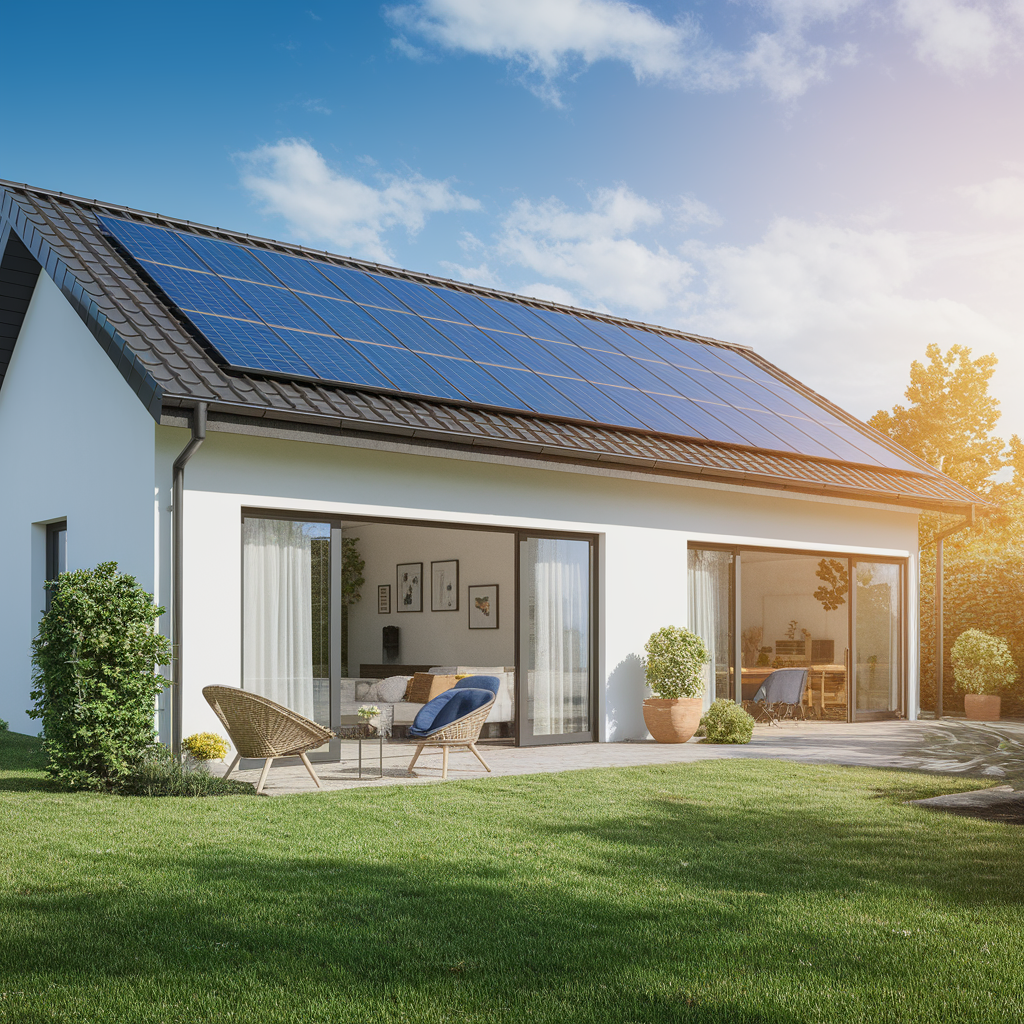
With the rising interest in renewable energy solutions, you may be wondering how effective solar water heaters are on less-than-sunny days. It’s a common misconception that solar water heating systems only operate efficiently in direct sunlight. In this post, you’ll learn how these systems function during cloudy weather, including the technology that enables them to harness available solar energy, and how you can still benefit from them throughout the year. Understanding this will help you make informed decisions about solar energy in your home.
Key Takeaways:
- Cloud Cover Impact: Solar water heaters can still function effectively on cloudy days, as they utilize both direct and diffuse sunlight.
- Efficiency Levels: While their efficiency may decrease, many solar water heaters maintain adequate performance even with overcast conditions.
- Design Matters: Systems designed with better insulation and larger surface areas can capture more heat, improving performance during cloudy weather.
- Energy Storage: Systems often include storage tanks that can hold heated water, ensuring availability even when sunlight is limited.
- Long-Term Benefits: Despite fluctuations in daily performance, solar water heaters generally provide significant savings and environmental benefits over their lifespan.

Understanding Solar Water Heaters
To truly appreciate solar water heaters, you first need to understand their fundamental purpose and mechanics. These systems harness energy from the sun to heat water for various uses, including residential and commercial applications. By utilizing renewable energy, solar water heaters can significantly reduce your reliance on conventional energy sources and lower your utility bills.
What is a Solar Water Heater?
Any system that captures sunlight and converts it into thermal energy for heating water is classified as a solar water heater. They can contribute not only to hot water for your domestic needs but also to swimming pool heating, industrial applications, and space heating. In essence, they are a sustainable solution that can provide a significant return on investment over time.
Components of a Solar Water Heating System
For a solar water heating system to function efficiently, it comprises several imperative components that work in concert. Typically, these include the solar collectors, storage tank, and a circulation system. The solar collectors are the devices that absorb sunlight; the storage tank holds the heated water, while the circulation system transports the water between the collectors and the tank.
Components can vary based on the design and capacity of your solar water heating system. However, regardless of the model, these elements must be well-integrated to ensure maximum efficiency and reliability. Installation and maintenance of these components play a crucial role in the system’s overall performance.
Types of Solar Water Heaters
To further classify solar water heaters, you will find two main types: active and passive systems. Active solar water heaters use pumps and controllers to circulate water, while passive systems rely on natural convection, making them simpler and typically more affordable. Each type has its unique advantages and is suited for different applications. Below is a breakdown of their key differences:
| Type | Description |
|---|---|
| Active | Utilizes pumps to circulate water, often more efficient. |
| Passive | Relies on natural water flow; less mechanical complexity. |
| Flat-Plate Collectors | Common for residential use; low maintenance. |
| Evacuated Tube Collectors | Higher efficiency; best for low-temperature climates. |
| Sistemas | Integrated into other heating systems; versatile options available. |
Solar water heaters can be tailored to fit your specific needs, whether it be residential, commercial, or industrial. Understanding these different types can help you make informed decisions when selecting a system. Each type provides unique benefits and efficiencies that might cater to your individual preferences and requirements.
- Active systems are generally more efficient but also more complex.
- Passive systems are simpler to install and maintain.
- Flat-plate collectors are ideal for moderate climates.
- Evacuated tube collectors excel in low-temperature conditions.
- Consider your space and hot water needs when choosing a system.
This understanding equips you to evaluate options effectively when considering solar water heaters for your home or business.
The Science Behind Solar Energy
Some people may wonder how effective solar water heaters can really be during overcast days. Understanding the science behind solar energy can help clarify this and enable you to make informed decisions about your water heating options. Solar energy systems harness natural sunlight to produce heat, and this process relies on the principles of physics and thermodynamics. By learning more about how solar energy works, you can better appreciate its capabilities, even when the weather may not seem perfect.
How Solar Energy Works
One of the core concepts driving solar energy is the photovoltaic effect, which allows solar panels to convert sunlight into electricity. When sunlight strikes the solar cells, it causes a reaction that generates direct current (DC) electricity. This electricity can then be converted into alternating current (AC) using an inverter, making it usable for home appliances and heating systems. This process is the foundation of solar technology and enables you to benefit from a renewable energy source regardless of external conditions.
Impact of Sunlight Intensity on Solar Performance
Solar panels and systems like solar water heaters are designed to work optimally under sunlight. Solar intensity refers to the amount of sunlight available at any given time, which can vary based on weather conditions, time of day, and geographic location. While you may experience less efficient performance on cloudy days, your solar water heater can still capture and convert available sunlight into heat. The effectiveness of your system will depend on these fluctuations in sunlight intensity and the specific technology used in your unit.
Solar water heaters comprise different components that affect how they perform in varied sunlight conditions. These systems generally include solar collectors, which absorb solar radiation and convert it into heat, as well as a storage tank that holds the heated water. Even during cloudy weather, your system may still receive diffused sunlight, allowing it to generate some heating, albeit at a reduced rate compared to sunny days.
Infrared Radiation and Heat Absorption
Any discussion regarding solar energy would be incomplete without mentioning infrared radiation. Infrared radiation is a portion of the electromagnetic spectrum that generates heat. Your solar water heater utilizes specially designed collectors that capture this infrared radiation, allowing them to absorb heat even in less-than-ideal weather. This aspect is imperative because, even on cloudy days, some degree of infrared radiation reaches the Earth’s surface, which can still be harnessed for heating your water.
Behind the scenes, these solar collectors are constructed from materials that effectively absorb infrared radiation, thereby transforming it into usable thermal energy. By choosing a solar water heater with high efficiency rates and robust materials, you can enhance your system’s performance, even when sunlight is limited. This understanding ensures that you can maximize your investment in solar technology, regardless of the weather conditions outside.

Cloud Coverage Effects
Unlike what many people might assume, solar water heaters can still operate effectively even on cloudy days. While the energy output may not be as high as on clear, sunny days, these systems are designed to utilize both direct sunlight and diffuse solar radiation, which is prevalent even when the sun is obscured by clouds. Understanding how different types of cloud cover affect solar energy absorption can provide valuable insights into how your solar water heater can maintain efficiency in less-than-ideal weather conditions.
Types of Cloud Cover
Cloud coverage can significantly influence the amount of solar energy that reaches your solar water heater. The various types of cloud cover can be categorized based on their density and thickness, affecting how much light is filtered through to the earth’s surface. Here is a breakdown of common cloud types and their effects on solar energy:
| Type of Cloud | Effect on Solar Radiation |
|---|---|
| Cumulus | Partly obstructs sunlight; moderate energy output. |
| Stratus | Thick cloud cover; significantly reduces energy. |
| Cirrus | Thin clouds; minimal effect on energy collection. |
| Thunderstorm Clouds | Intense obstruction; low energy output during storms. |
| Overcast | Complete blockage; lower energy generation. |
Recognizing the type of cloud cover you experience can help you set realistic expectations for your solar water heater’s performance on days with varying cloud conditions.
How Clouds Affect Solar Radiation
Clouds act as a barrier, reducing the quantity of solar radiation that can reach your solar water heater. This reduction can occur in two ways: through reflection and absorption. Depending on the type and thickness of clouds, they can trap heat below them, keeping your solar water heater warmer than it would be on a clear day, albeit at the cost of reduced energy generation.
Clouds primarily scatter sunlight, and while they provide less direct solar radiation, they also generate diffuse solar radiation that solar water heaters can harness. This scattered light can still be beneficial, as it allows your system to work, albeit at an efficiency that varies with cloud conditions.
Affecting how well your solar water heater can operate, cloud types and their corresponding thickness levels play an important role in energy absorption. On cloudy days, your solar water heater can capture and utilize the diffuse solar radiation present, enabling it to continue functioning effectively, even if at a reduced capacity compared to sunny days.
The Role of Diffuse Solar Radiation
Clouds cause a scattering effect, which results in diffuse solar radiation. This type of sunlight is less intense but still contributes to energy generation. The significant advantage of diffuse radiation is that it doesn’t require direct sunlight, allowing solar water heaters to absorb energy even during overcast conditions.
Understanding the properties of diffuse solar radiation is crucial for optimizing your solar water heater’s performance. While you may not receive the same energy output as on a sunny day, your system can still provide hot water by making use of the available solar energy, ensuring comfort and sustainability regardless of the weather.
Performance on Cloudy Days
Not every day is perfect for solar energy generation, and cloudy days can make you wonder about the efficacy of solar water heaters. While they heavily rely on sunlight, it is a common misconception that cloudy weather hampers performance to a significant extent. In reality, these systems are designed to capture diffuse sunlight, which can still provide sufficient energy for heating water even when the sun isn’t shining brightly. Understanding how these heaters function under varying weather conditions can help you make an informed decision about their practicality for your needs.
Efficiency of Solar Water Heaters in Different Weather Conditions
Heaters continue to operate efficiently on cloudy days by utilizing indirect sunlight that filters through the clouds. The technology behind solar water heaters includes flat plate collectors or evacuated tubes that can capture this diffuse light effectively. Studies show that solar water heaters can still achieve around 30-60% of their optimal efficiency under overcast conditions, meaning that even if the days aren’t sunny, you can still get significant heating benefits. This can be especially beneficial during autumn or winter months when cloudy conditions are more prevalent.
Statistical Performance Analysis
The performance of solar water heaters on cloudy days has been the subject of extensive research. Statistical analyses have concluded that, on average, solar water heater systems can still maintain a substantial portion of their heating capacity even with reduced sunlight exposure. For instance, studies have indicated that, in certain regions, solar water heaters can effectively operate at around 50% efficiency during cloudy weather. This efficiency can vary based on the specific design of the system and its geographic location.
This means that if you install a solar water heater, you can still expect a level of performance that may meet your hot water needs, even when conditions are less than ideal. It’s crucial to consider the specific performance metrics of the solar water heater model you choose, as some designs are better suited for cloudy environments than others.
Comparison with Conventional Water Heating Systems
Weather conditions undoubtedly affect the performance of any heating system, but you might be surprised by how solar water heaters compare to conventional water heating systems in terms of efficiency during cloudy weather. While traditional systems typically rely on a consistent electricity or gas supply, solar systems have the advantage of low operational costs and environmentally friendly energy sourcing. The comparison can be summarized as follows:
| Aspect | Solar Water Heaters |
|---|---|
| Efficiency on cloudy days | 30-60% of optimal |
| Operational cost | Low (sunlight is free) |
| Environmental impact | Renewable energy source |
| Dependence on weather | Less efficient in cloudy, rainy conditions |
Another important aspect to consider is that while conventional water heating systems may provide consistent heating regardless of the weather, they do come with higher fuel costs and environmental repercussions due to the reliance on fossil fuels. Maintaining a balance between reliability and sustainability should be a priority when choosing your hot water system. Investing in solar water heaters can lead to long-term savings while significantly reducing your carbon footprint, even if you face some cloudy days ahead.
| Type | Average Annual Cost |
|---|---|
| Solar Water Heater | $200-$400 (after initial investment) |
| Conventional Water Heater | $500-$1,200 |

Advantages of Using Solar Water Heaters
Many homeowners are discovering the numerous advantages of using solar water heaters in their households. With increasing concerns about environmental impact and energy costs, solar water heaters present a sustainable and efficient solution for heating water. Not only do they reduce reliance on fossil fuels, but they also offer a plethora of benefits that can enhance your quality of life while being kind to the planet.
Environmental Benefits
Solar energy is one of the cleanest forms of energy available. By utilizing solar water heaters, you significantly decrease your carbon footprint, as these systems harness the power of the sun to generate heat without emitting harmful pollutants. This transition to renewable energy sources helps combat climate change and lessens reliance on traditional energy generation methods, which often contribute to greenhouse gas emissions.
Moreover, solar water heaters can help conserve water. Conventional water heating methods often require more water and energy for heating, leading to waste. By installing a solar water heater, you are supporting a system that prioritizes sustainability and resource conservation, mitigating the environmental impacts associated with traditional heating methods.
Economic Savings Over Time
Savings are another compelling reason to consider solar water heaters. While the initial investment may seem daunting, the long-term financial benefits can be substantial. By tapping into the sun’s energy, you can drastically reduce, or even eliminate, your monthly water heating bills. This energy efficiency translates into significant savings over the lifespan of the system, allowing you to allocate those funds for other imperative purposes.
Additionally, many government initiatives and incentives support the installation of solar water heaters, offering tax credits and rebates. These financial advantages, combined with the decreasing costs of solar technology, make investing in a solar water heater even more appealing. By investing now, you not only enjoy immediate savings on your utility bills but also safeguard yourself against future energy price hikes.
Heaters designed for solar application are known for their durability and longevity. Most systems come with warranties extending 15-20 years, which means you can rely on your solar water heater to function efficiently while also decreasing your energy expenditure over many years. Not only does this provide peace of mind, but it also assures you of a wise investment that yields returns over time.
Reliability and Maintenance
Any homeowner can benefit from the reliability offered by solar water heaters. These systems are designed to be robust and can efficiently function throughout different weather conditions, including cloudy days. With minimal mechanical parts involved, they usually require less maintenance compared to traditional water heating systems, resulting in fewer repairs and service bills for you.
Investing in a solar water heater not only ensures you’re utilizing renewable energy, but it also simplifies your maintenance routine. Regular checks and occasional cleaning of the panels are generally sufficient to keep the system running smoothly, allowing you to enjoy hot water with less hassle and more consistency.
Time is always on your side when you opt for reliable technology. You can expect the performance and output of your solar water heater to stay consistent and predictable, giving you clear benefits throughout the years. The lower maintenance needs mean you can spend less time worrying about your water heating system and more time enjoying the comfort it provides.
Best Practices for Optimal Performance
Once again, ensuring that your solar water heater operates efficiently, even on cloudy days, requires careful consideration of various factors. By implementing best practices, you can maximize its performance throughout the year and take full advantage of the energy it can harness, no matter the weather conditions. Understanding how to position and install your system effectively is vital in achieving optimal results.
Positioning and Installation Tips
An ideal location can significantly enhance the efficiency of your solar water heater. It is crucial to position your system in an area that receives maximum sunlight exposure throughout the day. Here are a few tips to keep in mind:
- Install your solar panels on a south-facing roof if possible.
- Ensure that there are no obstructions such as trees or buildings casting shadows on the panels.
- Consider adjustable mounts that allow you to tilt the panels for increased solar exposure in different seasons.
- Make sure to insulate the hot water pipes to prevent heat loss during chilly weather.
This strategic positioning will not only improve the system’s performance on sunny days but also help it gather more energy on cloudy days.
Integration with Other Renewable Energy Sources
One effective way to increase the reliability of your hot water supply is to integrate your solar water heater with other renewable energy systems, such as solar photovoltaic (PV) panels or wind turbines. This hybrid setup can create a more stable energy source, allowing you to maximize your energy efficiency and minimize your reliance on traditional grids, especially during low-sunlight periods.
The combination of solar water heating with other renewable technologies allows you to store energy generated by solar PV panels for use when your solar water heater might not be performing at its peak, such as during cloudy or rainy days. This can be particularly beneficial for homeowners looking to maintain consistent hot water availability while minimizing energy costs.
Regular Maintenance and Monitoring
For optimal performance, regular maintenance and monitoring of your solar water heater are crucial. Carrying out routine checks ensures that your system remains in top condition, preventing minor issues from escalating into larger, more costly problems. Schedule an annual inspection with a professional to assess the condition of your panels, pipes, and storage tank. Additionally, you should periodically inspect connections and look out for any leaks or damages.
Integration of monitoring systems can also enhance your understanding of your solar water heater’s efficiency. By utilizing smart meters or apps, you can track energy production and consumption in real time, making it easier to identify issues or trends that require your attention.
Final Words
Ultimately, you will find that solar water heaters can indeed function on cloudy days, although their efficiency may be reduced compared to sunny conditions. These systems are designed to capture diffuse sunlight, which means they can still absorb solar energy even when the sky is overcast. This capability allows you to enjoy hot water throughout the year, regardless of weather fluctuations. Understanding how your solar water heater operates in varying conditions can help you make the most of this sustainable technology.
If you want to investigate deeper into the functionality of solar water heaters during less than ideal weather conditions, you can Find Out How Solar Water Heaters Provide Hot Water Even on a Cloudy Day. With this knowledge, you can better appreciate the reliability and efficiency of your solar water heating system, ensuring that you can benefit from environmentally friendly energy solutions no matter the weather outside.
FAQ
Q: Do solar water heaters work on cloudy days?
A: Yes, solar water heaters can work on cloudy days. Although they are most effective on sunny days, they can still absorb and convert indirect sunlight into heat, which allows them to function even when the sky is overcast. The efficiency may be reduced compared to sunny conditions, but a solar water heating system can still provide hot water under cloudy conditions.
Q: How much efficiency is lost in solar water heaters on cloudy days?
A: The efficiency loss of solar water heaters on cloudy days can vary based on several factors including the type of solar collector, the thickness of the clouds, and the ambient temperature. Generally, solar water heaters may lose approximately 30% to 50% of their efficiency compared to sunny days. However, even under diffuse light conditions, they can still generate usable hot water.
Q: What factors influence the performance of solar water heaters on cloudy days?
A: Several factors can influence the performance of solar water heaters on cloudy days, including:
- Type of Solar Collector: Flat-plate collectors perform better in cloudy conditions than evacuated tube collectors, but both can still provide hot water.
- Weather Conditions: The thickness of cloud cover and precipitation can affect solar absorption rates. Lighter cloud cover allows for more sunlight to penetrate.
- Geographic Location: Areas with higher average cloud cover may require more advanced or larger solar systems to achieve desired hot water supply.
Q: Should I rely solely on solar water heaters during winter or cloudy months?
A: While solar water heaters can provide a substantial amount of hot water throughout the year, it is advisable not to rely solely on them during winter or consistently cloudy months. It is a good practice to have a backup heating system, such as an electric or gas heater, especially in areas where sunlight is limited for prolonged periods. Hybrid systems can help maintain a consistent supply of hot water.
Q: Are there any ways to enhance the performance of solar water heaters in cloudy weather?
A: Yes, there are several strategies to enhance the performance of solar water heaters during cloudy weather:
- System Size: Installing a larger or more efficient solar collector can help capture more heat from available sunlight, even in poor weather.
- Insulation: Properly insulating storage tanks and pipes can help retain heat longer, reducing the need for supplemental heating.
- Positioning: Positioning the solar collectors at the optimal angle and orientation can maximize exposure to available sunlight.