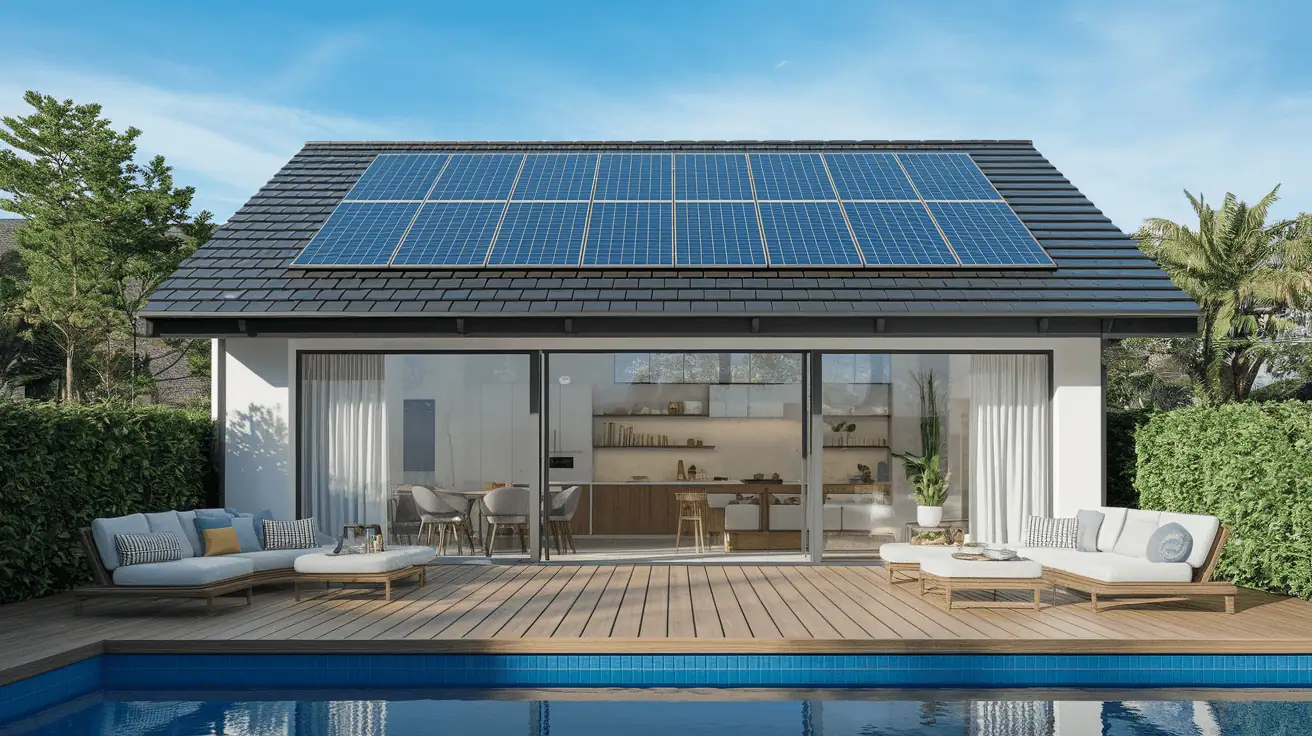
Solar water heaters are an efficient and environmentally friendly option for heating your water, but you may wonder how long they will last. Typically, you can expect a good solar water heater to have a lifespan of 15 to 30 years, depending on factors such as maintenance, installation quality, and local climate conditions. Understanding the lifespan of your solar water heater can help you make informed decisions about maintenance, repairs, and potential replacements, ensuring you maximize your investment in renewable energy.

Key Takeaways:
- Average Lifespan: The typical lifespan of a solar water heater ranges from 15 to 25 years, depending on various factors such as quality and maintenance.
- Quality Matters: Higher-quality systems often last longer; investing in reputable brands can extend the lifespan significantly.
- Regular Maintenance: Routine maintenance plays a crucial role in maximizing the lifespan, including checking for leaks and ensuring proper insulation.
- Climate Impact: Environmental conditions, including temperature fluctuations and UV exposure, can affect the durability and longevity of solar water heaters.
- Component Replacement: Certain components, such as collectors and storage tanks, may require replacement over time, influencing the overall lifespan of the system.

Understanding Solar Water Heaters
For those unfamiliar with renewable energy systems, solar water heaters are an increasingly popular option for homeowners seeking to reduce their utility bills and environmental impact. A solar water heater captures sunlight and converts it into thermal energy to heat water for domestic use, such as bathing, cooking, and cleaning. By harnessing the power of the sun, these systems can provide a significant energy savings compared to conventional water heating methods.
Definition and Functionality
On a fundamental level, a solar water heater consists of a solar collector that absorbs sunlight and a water storage tank that holds the heated water for your use. The system may be passive or active, depending on its design. Passive systems rely on natural circulation, while active systems utilize pumps and controls to move the water. No matter the type, the primary function remains the same: to efficiently convert solar energy into usable hot water.
Types of Solar Water Heaters
On the market, there are primarily two types of solar water heaters: flat-plate collectors and evacuated-tube collectors. Flat-plate collectors consist of a flat surface that absorbs sunlight, which is then transferred to the water flowing through pipes. Evacuated-tube collectors, on the other hand, consist of multiple glass tubes that contain a vacuum to enhance thermal insulation, allowing for more efficient heat retention.
| Type | Description |
| Flat-Plate Collectors | Simple design; great for sunny climates. |
| Evacuated-Tube Collectors | Higher efficiency; performs well in colder climates. |
| Batch Heaters | Indirectly heats water using an insulated storage tank. |
| Integral Collector-Storage Systems | Combines collection and storage, suitable for warmer regions. |
| Heat Pipe Systems | Uses fluid in heat pipes to transfer heat directly. |
Any of these types can effectively reduce your energy costs and provide consistent hot water, making them an attractive investment. Additionally, your choice will depend on your specific needs, budget, and geographic location.
- Each type has unique advantages that cater to different climate conditions.
- Proper installation and orientation play crucial roles in maximizing efficiency.
- Consider additional components like backup heating systems for cloudy days.
- Research local regulations and incentives for solar energy installation.
- Any investment in solar technology can yield long-term savings.
Key Components
Heaters utilize several key components to function effectively. The most critical elements include the solar collector, the storage tank, and the plumbing system that connects these two. The collector is responsible for capturing the sunlight, while the storage tank holds the heated water until it’s needed. The plumbing system ensures a smooth flow of water from the collector to the tank and back to your home.
On top of these main components, a solar water heater may also include a controller that helps optimize the system’s performance. Additional elements, such as pumps, valves, and backup heating options, can further enhance the efficiency and longevity of your solar water heating system.
Solar water heaters generally comprise several crucial components that contribute to their overall effectiveness. In addition to the aforementioned items, you may find sensors that help monitor performance and detect any potential issues. Understanding these components will empower you to make informed choices about your solar water heating setup, ensuring you maximize both efficiency and longevity.
- A comprehensive understanding of components helps in maintenance and troubleshooting.
- Regular checks and maintenance can significantly extend system lifespan.
- Consider consulting a professional for inspections and repairs.
- Investing in quality components can yield better performance.
- Any proactive measures will enhance reliability and efficiency.
| Component | Function |
| Solar Collector | Absorbs sunlight to heat water. |
| Storage Tank | Holds heated water for use. |
| Controller | Optimizes system performance. |
| Pump | Circulates water through the system. |
| Valves | Regulate water flow and pressure. |
Factors Influencing Lifespan
Unlike traditional water heating systems, solar water heaters have a lifespan that depends on several key factors. Understanding these influences can help you extend the longevity of your solar water heating system. Here are some of the primary factors that can affect the lifespan of your solar water heater:
- Quality of Materials
- Installation Standards
- Climate and Environmental Conditions
- Maintenance Practices
Assume that you pay close attention to these factors; you’ll likely see a significant improvement in your solar water heater’s performance and lifespan.
Quality of Materials
Lifespan is heavily dependent on the quality of materials used in your solar water heater. Higher-grade materials can withstand the rigors of time and varying environmental conditions better than their lower-quality counterparts. For example, using corrosion-resistant metals and robust insulators can prevent premature aging of the system components, ensuring that you enjoy consistent performance over many years.
Additionally, manufacturers who adhere to strict quality control standards develop products with longer lifespans. If you invest in a reputable brand that utilizes high-quality materials, you are setting the foundation for a durable solar water heating system. By doing so, you’re making a wise investment that pays off through decreased replacement and maintenance costs.
Installation Standards
Installation plays a crucial role in the lifespan of your solar water heater as well. Proper installation ensures not only that the system operates efficiently but also that it does not face undue strain or wear. Choosing a certified technician who follows established best practices during installation can mitigate risks that may lead to early system failure. Make sure outdoor units are secured and insulated correctly to withstand wind, rain, and temperature fluctuations to maintain optimal performance.
Plus, neglecting installation standards may void the manufacturer’s warranty. Ensuring your system is installed correctly gives you peace of mind and confidence that you are getting the most out of your investment.
Climate and Environmental Conditions
Any person considering a solar water heater should be aware that local climate plays a significant role in determining its lifespan. Extreme weather conditions, such as heavy rainfall, high winds, snow, and scorching heat, can affect the integrity and functionality of your system. Opting for products specifically designed to handle the climate characteristics of your area helps in maximizing the durability of your solar water heater.
Environmental conditions also play a significant role. For example, living in a coastal area means exposure to salt and humidity, which can lead to quicker corrosion of the system. It’s important to choose a system that can stand up against these challenges if you live in such regions.
Maintenance Practices
Environmental factors may lead to wear and tear in your solar water heater, but proper maintenance practices can extend its longevity significantly. Regular inspections, cleaning, and timely repairs can prevent small issues from snowballing into major concerns, ensuring that your system runs smoothly. Scheduled maintenance is necessary for spotting any early signs of wear and addressing them proactively.
With a dedication to maintenance, you can effectively maximize the lifespan of your solar water heater and minimize potential repair costs. Whether it involves flushing the tank to remove sediment buildup or checking for leaks, routine maintenance is an investment in the long-term efficiency of your system.
Expected Lifespan
All solar water heaters are designed to provide efficient heating for both residential and commercial use, but like any system, they come with an expected lifespan that you should be aware of. Understanding what to expect can help you make informed decisions regarding maintenance, potential replacements, and overall energy savings. Taking good care of your solar water heater can significantly extend its life and optimize its performance.
General Lifespan Estimates
With regular maintenance and the right conditions, you can expect a solar water heater to last anywhere from 10 to 20 years. Factors such as climate, installation quality, and usage patterns will impact its lifespan. For example, systems in areas with harsh weather conditions may require more upkeep and could have a shorter lifespan than those in more temperate climates.
Lifespan estimates are often influenced by the type of materials used in the construction of the system. Higher-quality materials tend to increase the longevity of your solar heater. It’s worth mentioning that the average lifespan varies, and one common way to gauge it is by looking at the manufacturer’s warranty—many will offer guarantees ranging from 5 to 10 years, which can serve as a good barometer of durability.
Differences Between System Types
With various types of solar water heaters available, it’s vital to note that they don’t all share the same expected lifespan. Generally, flat-plate collectors can last longer due to their simpler and rugged construction, while evacuated tube systems, made of individual glass tubes, can need more attention and might be slightly less durable in certain conditions.
| System Type | Expected Lifespan |
| Flat-plate collectors | 15-20 years |
| Evacuated tube systems | 10-15 years |
| Batch heaters | 10-15 years |
| Heat pump systems | 10-15 years |
- Assume that the environment will affect the lifespan of your specific system.
It’s also crucial to consider how you use your solar water heater. Systems that are heavily relied upon year-round might experience wear and tear quicker than those used sporadically, which can influence your overall satisfaction and investment return. Regular inspections and routine maintenance ensure you can maximize the utility of your system, regardless of its type.
- Assume that your maintenance routine will play a pivotal role in extending your solar water heater’s longevity.
| Maintenance Activity | Impact on Lifespan |
| Cleansing the collectors | Improves efficiency |
| Checking for leaks | Prevents damage |
| Inspecting insulation | Enhances overall performance |
| Assessing fluid levels | Ensures effective operation |
Impact of Technological Advances
System innovations, including improved materials and better designs, have significantly influenced the lifespan of modern solar water heaters. Manufacturers are continually developing more durable components and enhancing installation techniques, which allows users like you to rely on their systems for longer periods. These advances have resulted in fewer breakdowns, increased efficiency, and overall better performance.
It’s worth noting that newer systems may also come equipped with smart technology that monitors performance and provides maintenance alerts, ultimately leading to longer lifespans. These advancements can save you money in the long run while ensuring that your solar water heater operates efficiently for years to come.
Estimates that consider the effectiveness of newer technologies suggest a potential increase in average lifespan for the latest models. As the industry evolves and consumer demand for efficacy grows, your solar water heater could soon become an even more enduring aspect of your energy-saving efforts.

Maintenance and Care
Once again, maintaining your solar water heater is vital for ensuring its longevity and optimal performance. By implementing regular maintenance practices and being attentive to any potential issues, you can help protect your investment and enjoy the benefits of energy-efficient water heating for many years to come.
Routine Maintenance Tasks
With solar water heaters, routine maintenance tasks include cleaning the collector panels, checking the insulation on pipes, and inspecting the system for any leaks. It’s a good idea to remove any debris, such as leaves or dust, from the collector panels to maximize sunlight absorption. Additionally, inspecting the insulation ensures that your system operates efficiently, reducing energy loss.
With regular checks at least twice a year, you can detect minor issues before they escalate into significant problems. Maintaining the system’s pressure level and checking the fluid levels also contributes to its functionality. Performing these simple tasks will not only extend the life of your solar water heater but will also optimize its performance.
Signs of Wear and Tear
With any appliance, it’s vital to stay vigilant for signs of wear and tear that may indicate underlying problems. Common signs include unusual noises, fluctuating water temperatures, or discolored water. These issues could suggest that components within the solar water heater are degrading or malfunctioning, and addressing them promptly is key to avoiding more severe complications.
With your solar water heater in mind, regularly inspect the equipment for rust, corrosion, or leaks in the system. Sun damage and age could also cause the solar panels to degrade over time. To ensure you catch these issues early, create a list of potential signs to look out for and check these items during your routine maintenance.
To enhance your maintenance practices, you should regularly assess the pressure relief valve and the tank for sediment build-up, which can significantly affect efficiency. Noticing these warning signs early will allow you to take the necessary steps to maintain your solar water heater and prolong its lifespan.
Repair vs. Replacement
An important consideration when dealing with wear and tear on your solar water heater is whether to repair or replace damaged components. Assessing the cost of repair versus the potential cost of replacement can help you make an informed decision. In many cases, if a part can be easily replaced or repaired, it may be more cost-effective than investing in a new system.
An effective way to approach this decision is to consider the age of your solar water heater. If the system is relatively new and the repairs are minimal, you might opt for repairs. Conversely, if your unit is aging and multiple components require substantial repairs, replacement may be your best option. The ultimate goal is to ensure reliability, efficiency, and cost-effectiveness for your hot water needs.
A general rule of thumb is that if repair costs exceed 50% of the replacement cost and the unit is more than five years old, you should seriously consider investing in a new system. This will save you money in the long run and provide a more efficient solution to your hot water needs.
Professional Inspections
Wear and tear can sometimes go unnoticed by the untrained eye, which is why having professional inspections performed regularly is crucial. A qualified technician can identify potential issues and areas of concern that you might overlook during routine checks. Scheduling a professional inspection at least once a year can provide you with peace of mind, knowing your system is operating safely and efficiently.
Professional maintenance can include a comprehensive assessment of all components, including tanks, pipes, and collector panels. These experts will also recommend any necessary repairs and provide insights into improving performance and efficiency. Their extensive knowledge will enable you to maximize the benefits of your solar water heater while extending its lifespan.
Inspections help ensure that your solar water heater continues to meet performance standards. Catching and addressing problems early can mitigate future repair costs and improve overall efficiency. By investing in professional inspections, you are safeguarding your investment and reaping the many advantages of a well-maintained solar water heater.
Benefits of Longevity in Solar Water Heaters
After investing in a solar water heater, one of the most compelling aspects is its longevity. The lifespan of these systems can significantly outlast traditional water heating methods, offering you not only reliability but also peace of mind. A well-maintained solar water heater can last between 20 to 30 years, which means fewer replacements and repairs over time, saving you both hassle and money. This durability allows you to maximize your initial investment, as the longer your system lasts, the more energy savings and benefits you will reap over its lifetime.
Economic Advantages
Economic benefits for you are abundant with a long-lasting solar water heater. By reducing your energy bills through harnessing the sun’s energy, you can achieve substantial cost savings over the years. Not only will you notice a decline in your utility expenses, but many countries also offer incentives such as tax credits and rebates for solar energy installations. These financial incentives can significantly offset your initial outlay, further enhancing the economic viability of your solar water heater.
Moreover, a solar water heater’s longevity means fewer costs over its operational life. Since these systems require minimal maintenance, your long-term expenses will be lower compared to traditional methods that often incur frequent repairs and replacements. When you capitalize on a product designed to last, you’re not only making an environmentally responsible choice but also a financially sound one.
Environmental Benefits
Water conservation is at the forefront of environmental benefits associated with solar water heaters. By utilizing renewable energy, you contribute to a significant reduction in greenhouse gas emissions. The extended lifespan of these systems means they can operate for decades, consistently reducing your carbon footprint while providing clean water heating without relying on fossil fuels.
Cost savings also go hand in hand with reduced environmental impact. When you choose to use a solar water heater with extended longevity, you’re committing to sustainable energy solutions that lessen the demand for non-renewable resources. This means that over the years, you actively participate in minimizing environmental degradation and promoting a healthier planet for future generations. The long-term efficiency and durability of solar water heaters represent not only an economic advantage for you but also a priceless environmental investment that benefits the world at large.
Future Trends and Innovations
To understand the future of solar water heaters, it’s imperative to look at the emerging technologies that are set to revolutionize the industry. As you consider the lifespan and efficiency of your solar water heater, keep an eye on innovations such as solar thermal collectors that utilize advanced materials, or hybrid systems that incorporate traditional heating methods for enhanced performance. These technological advancements can significantly extend the lifespan of your solar water heater, ensuring better energy efficiency and meeting your hot water demands even in less sunny areas.
Emerging Technologies
On the forefront of innovation, new types of solar water heating systems are being developed to harness energy in more efficient ways. These include designs that opt for higher-efficiency solar panels and smart technology integrations, such as IoT-enabled monitoring systems. Such technologies allow for real-time performance tracking, enabling you to optimize the performance of your solar water heater and extend its operational lifetime by ensuring it runs under the best conditions possible.
Advances in Materials Science
The effectiveness and durability of your solar water heater can also be greatly influenced by advances in materials science. Research into new materials, such as highly efficient phase change materials and more robust coatings for collectors, is paving the way for longer-lasting and more efficient systems. These materials serve the dual purpose of increasing thermal storage and reducing heat loss, allowing your solar water heater to operate efficiently across a wider range of temperatures and conditions.
Science continually uncovers new insights that enhance the materials used in solar water heating systems. For instance, the development of nano-coatings can improve the efficiency of solar collectors by increasing their absorptive capacity while also reducing the likelihood of corrosion and wear. This advancement not only prolongs the life of your solar heater but also ensures that it consistently provides optimal performance, making your investment more worthwhile over time.
Government Policies and Incentives
An important trend that affects the lifespan of solar water heaters is the array of government policies and incentives available to homeowners. Many governments around the world are offering financial incentives to encourage the adoption of renewable energy technologies. By taking advantage of these policies, you can effectively reduce the initial costs associated with installing a solar water heater, which allows you to allocate more of your budget towards high-quality, durable systems that have a longer lifespan.
Emerging incentives are not just limited to financial rebates; they often include tax credits, grants, and performance-based incentives designed to promote the longevity and efficiency of solar systems. These initiatives can significantly offset maintenance costs and encourage investment in better technologies, ensuring that your solar water heater remains reliable and effective for many years. Staying informed about available government support can help you make a more strategic decision regarding your solar water heating system.
To wrap up
The lifespan of your solar water heater can greatly influence your decision to invest in this renewable energy solution. Typically, solar water heaters can last anywhere from 15 to 25 years, depending on factors such as the quality of the system, the climate in your area, and how well you maintain it. Regular maintenance and timely repairs can extend its life, ensuring you maximize your investment. It’s important to be proactive in caring for your system to optimize its performance and longevity.
As you consider the longevity of solar water heaters, remember that their lifespan ultimately hinges on several variables, including installation and usage. By educating yourself on proper maintenance techniques and understanding the components of your system, you can significantly impact its durability. For more insights into the expected lifespan of solar hot water panels, you can refer to this discussion on How long should a Solar Hot Water panel last?
FAQ about Solar Water Heater Lifespan
Q: What is the average lifespan of a solar water heater?
A: The average lifespan of a solar water heater typically ranges from 15 to 30 years, depending on factors such as the quality of the materials used, the type of system, maintenance practices, and regional climate conditions.
Q: How can I extend the lifespan of my solar water heater?
A: To extend the lifespan of your solar water heater, regular maintenance is key. This includes routine inspections, cleaning the solar collectors, checking for leaks, and ensuring that the system is not exposed to extreme weather conditions without protection. Professional maintenance every few years can also help in identifying potential issues early.
Q: Are there different types of solar water heaters and do they have different lifespans?
A: Yes, there are mainly two types of solar water heaters: active and passive systems. While both types can last around 15 to 30 years, active systems may require more attention to components like pumps and controllers, which could affect their longevity. Passive systems, being simpler, often have longer lifespans due to fewer moving parts.
Q: What factors can affect the lifespan of a solar water heater?
A: Several factors can affect a solar water heater’s lifespan, including the quality of the components, installation practices, geographic location, weather conditions, and regularity of maintenance. For instance, areas with harsher climates may experience more wear and tear, while a well-installed and maintained system will generally last longer.
Q: What should I do if my solar water heater is approaching the end of its lifespan?
A: If your solar water heater is nearing the end of its lifespan, consider scheduling an inspection to assess its condition. You may want to weigh options for repairs or replacements based on the inefficiency or damage observed. Upgrading to a new, more efficient model may be cost-effective in the long run, especially if your current system requires significant repairs.