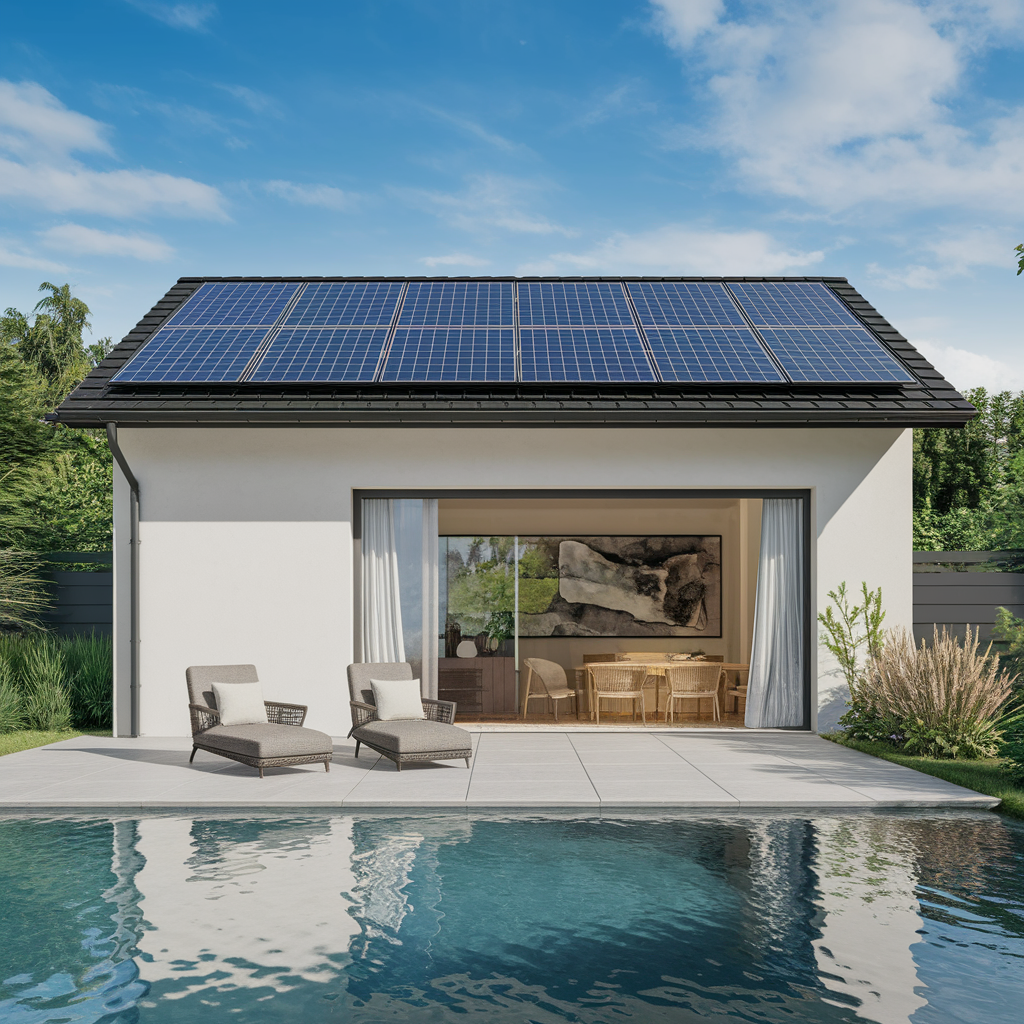
It’s necessary to understand how solar water heaters function to optimize their use in your home. If you’re considering solar energy solutions, you may wonder whether these systems can provide hot water after the sun goes down. This post will clarify how solar water heaters operate and what options you have for ensuring you always have access to hot water, regardless of the time of day. By the end, you’ll have a clear understanding of their capabilities and limitations, empowering you to make informed decisions about your solar investment.
Key Takeaways:
- Nighttime Functionality: Solar water heaters do not generate heat during the night since they rely on sunlight for energy.
- Storage Systems: Most solar water heaters incorporate storage tanks to hold heated water for use after the sun goes down.
- Supplemental Heating: Many systems are equipped with backup heaters (like electric or gas) to ensure hot water availability during nighttime or cloudy days.
- Energy Efficiency: Solar water heaters are still efficient for heating water overall, even if they only work during daylight hours.
- Seasonal Variability: The effectiveness of solar water heaters can vary seasonally, impacting overnight hot water availability based on solar energy collection during the day.


Understanding Solar Water Heaters
For those interested in sustainable energy solutions, it’s necessary to have a clear understanding of solar water heaters. They are devices that harness solar energy to heat water for residential or commercial use. This process involves capturing sunlight through solar collectors, which then transfer the heat to water that can be used for various applications, such as bathing, cooking, or even heating your swimming pool.
Definition and Function
Understanding the definition and function of solar water heaters is crucial. Essentially, solar water heaters consist of solar collectors, a storage tank, and a pumping system. The solar collectors can be either flat-plate or evacuated tube collectors, and they absorb sunlight to heat the water that flows through them. This heated water is then stored in a tank for later use.
The role of solar water heaters extends beyond just heating water. They can significantly reduce your energy bills and decrease your reliance on fossil fuels. This not only benefits your wallet but also the environment by reducing greenhouse gas emissions. Many people find them to be an effective long-term investment, exploring their potential to work efficiently even when the sun isn’t shining.
Types of Solar Water Heaters
When you explore solar water heaters, you will discover that they come in various types, each suited for different needs and climates. The primary categories include active and passive systems. Active systems use electric pumps to circulate the fluid between the solar collectors and the storage tank, while passive systems rely on the natural flow of water and gravity.
Understanding the specific type of solar water heater that best suits your needs can lead to more efficient use of resources. Generally, passive systems are easier to install and maintain, making them ideal for areas with lower budgets. On the other hand, active systems tend to be more efficient in colder climates, as they can actively circulate and heat water regardless of the time of day.
| Active Systems | Use pumps to circulate water for better efficiency. |
| Passive Systems | Relies on gravity and natural flow, ideal for lower budgets. |
| Flat Plate Collectors | Commonly used in residential buildings, effective in various climates. |
| Evacuated Tube Collectors | Provide excellent insulation; ideal for colder regions. |
| Drainback Systems | Store heated water in a tank, preventing freezing in colder temperatures. |
Knowing the differences between these types helps you choose the right system for your needs, whether you prioritize cost-effectiveness, efficiency, or climate adaptation.
Understanding the nuances of solar water heaters can empower you to make an informed decision that aligns with your lifestyle and environmental goals. You’ll want to consider factors such as your location, water heating demands, and available investment before settling on a specific system.
- Consider your climate for optimal system performance.
- Evaluate your hot water needs to choose the right size.
- Factor in local regulations or incentives for solar systems.
- Explore brands and reviews to find reputable products.
- Consult with professionals to assess installation logistics.
Knowing all these aspects can lead to a more effective decision-making process when investing in solar water heating technology.

The Mechanics of Solar Water Heating
To understand how solar water heaters function, it’s important to examine into their key components. These systems are designed to capture and utilize solar energy, primarily through solar collectors, storage tanks, and heat exchange processes. Each part plays a crucial role in ensuring that you receive hot water, offering efficiency and sustainability in your daily routine.
Solar Collectors
Collectors are the vital components of a solar water heating system, responsible for absorbing sunlight and converting it into heat. These devices typically consist of a flat-plate or evacuated tube design that maximizes sunlight exposure. By harnessing direct sunlight, collectors heat the water or a heat-transfer fluid flowing through them. As a result, you’ll enjoy more efficient energy use and lower utility bills, especially in sunny conditions.
Once the solar collectors have absorbed the sun’s energy, that heat is transferred to the water, effectively raising its temperature for use in your home. The design and material of the collectors impact their efficiency, so selecting high-quality options is critical for optimal performance. Understanding how these collectors work will help you appreciate the technology behind solar water heating and its benefits for your lifestyle.
Storage Tanks
Tanks are another fundamental element of solar water heaters, serving as the storage unit for the heated water. Once the water is warmed by the solar collectors, it is channeled into these insulated tanks, where it remains until needed. The insulation helps minimize heat loss, ensuring that you have access to hot water even when the sun isn’t shining, such as during nighttime hours.
This aspect of the system is particularly important, as it allows you to enjoy the benefits of solar water heating around the clock. Whether you need hot water for bathing, laundry, or cleaning, the storage tanks ensure that you’re never left without hot water, regardless of solar conditions. You can rest assured that your hot water supply remains consistent and efficient with well-designed storage tanks.
Heat Exchange Processes
With a solar water heating system, the heat exchange processes play a crucial role in transferring thermal energy from the collector to the water in the storage tank. This is usually achieved through a heat exchanger, which allows for efficient thermal transfer while maintaining separation between the heat-transfer fluid and the water you use. This process ensures that your household water reaches the desired temperature efficiently, regardless of external weather conditions.
Furthermore, understanding the intricacies of heat exchange can empower you as a consumer, helping you make informed choices about the system’s design and operation. Properly optimized heat exchange processes can significantly enhance the overall effectiveness of your solar water heating system, ensuring that it meets your hot water demands efficiently.
Mechanics in a solar water heating system are critical for maximizing efficiency and performance. By familiarizing yourself with the key components and their functions—collectors, storage tanks, and heat exchange processes—you can appreciate how they work together seamlessly to provide you with reliable and consistent hot water. This knowledge is vital as you consider the implementation of solar energy solutions in your own home.
Operating Conditions
After considering the effectiveness of solar water heaters, it’s crucial to understand the various operating conditions that influence their performance. From the time of day to weather elements, these factors play a crucial role in how efficiently your system can heat water. Additionally, by becoming familiar with these conditions, you can better optimize your solar water heater for maximum efficiency throughout the year.
Daytime Functionality
One of the key aspects of a solar water heater’s operation is its functionality during the day. Solar collectors absorb sunlight, converting it into heat, which is then transferred to water stored in a tank. The more sunlight available, the more effective your system will be at heating water. Therefore, ensuring that your solar panels are installed in a location with ample sunlight is vital to maximizing their performance.
Moreover, it’s crucial to consider the angle and orientation of your solar collectors. Proper tilt and orientation towards the sun can significantly enhance your system’s efficiency, allowing you to harness sunlight for optimal heating throughout the day. Regular maintenance, such as keeping the panels clean and unobstructed, also ensures you get the most out of your solar water heating system.
Impact of Weather Conditions
For anyone considering solar water heaters, understanding how weather conditions influence performance is critical. Overcast skies, rain, and snow can all affect the amount of direct sunlight that reaches your solar collectors, thereby impacting water heating efficiency. Even on cloudy days, however, your system may still capture diffuse sunlight, but the heating capabilities would be diminished compared to a clear day.
A solar water heater can still perform reasonably well under varying weather conditions, although the extent of its effectiveness will vary. For example, while heavy rainfall or snow can temporarily hinder performance, these systems often come equipped with robust designs to handle such environmental challenges. Being aware of your local climate and seasonal weather patterns can help you make better decisions when it comes to the placement and maintenance of your system.
Seasonal Variations
On top of daily weather conditions, seasonal variations are another key factor influencing the efficiency of your solar water heater. During summer, when daylight hours are longer and sunlight is generally more intense, you can expect your system to work at peak performance. In contrast, winter months may bring shorter days and reduced sunlight, which could impact the amount of hot water available.
Operating your solar water heater efficiently throughout the seasons requires some proactive measures. You may need to consider installing additional heating elements or backup systems for winter months to ensure a consistent supply of hot water. Understanding these seasonal demands allows you to prepare and adapt your system, ensuring that it meets your hot water needs year-round.
Operating a solar water heater effectively throughout different seasons means making small adjustments to your system as needed. By keeping an eye on temperature fluctuations, adjusting your backup heating methods, and potentially scheduling routine maintenance, you’ll ensure that your solar water heater remains an invaluable and efficient resource all year long.
Solar Water Heaters at Night
Not many people realize that solar water heaters can still provide hot water at night, thanks to the design and technology behind them. While the sun’s energy is primarily harvested during the day, solar water heaters store the heat they absorb for later use, allowing you to enjoy the benefits even when the sun goes down. This section will dive deeper into the mechanics of how these systems operate at night and what factors you should consider for optimal performance.
Heat Retention in Storage Tanks
Solar water heaters utilize storage tanks to hold the heated water generated during the day. The effectiveness of these systems at night largely depends on the heat retention capabilities of these storage tanks. Most modern solar heaters are equipped with well-insulated tanks designed to prevent heat loss. This means that if you’ve taken a hot shower during the day, the water in your tank can remain warm for several hours, ensuring you can still access hot water well into the evening.
Solar water heaters vary in their heat retention properties based on tank design and material. Tanks made from materials with high thermal efficiency will keep your water hot longer than those with less efficient insulation. Therefore, when selecting a solar water heater, it’s beneficial to consider the insulation quality and tank size to match your household’s evening hot water needs.
Insulation and Heat Loss
Tanks serving as storage for heated water are often insulated to minimize heat loss, which is crucial for maintaining warm water during non-sunny hours. The effectiveness of the insulation is vital, as poor insulation can lead to significant heat loss, rendering your evening hot water needs unattainable. High-quality insulation materials such as polyurethane foam or fiberglass demonstrate excellent thermal performance, allowing your storage tank to keep water hot throughout the night.
To maximize the efficiency of your solar water heater, you should also regularly check for any wear or damage to the insulation. Wearing insulation can lead to unexpected heat loss, which directly impacts your evening hot water supply. By ensuring your insulation remains intact, you can bolster your system’s energy efficiency and reduce reliance on additional heating methods.
Usage Patterns and Demand
On top of storage capabilities, your personal usage patterns and demand for hot water will also affect the overall performance of solar water heaters at night. If you tend to use a lot of hot water in the evenings, such as taking long baths or frequent showers, you might find that the heated water from your solar system is insufficient. In this case, understanding your hot water usage and planning accordingly can help you make the most out of your solar setup, ensuring you have hot water available when you need it.
Heaters with larger storage tanks may be better suited for households with higher evening hot water demands, whereas smaller systems can suffice for those with more minimal needs. Adjusting your hot water consumption pattern—such as scheduling showers or laundry during the day—can also help you maximize the benefits of your solar water heater. Being mindful of your hot water usage can enable you to take full advantage of the system’s capabilities, even after the sun has set.
Enhancements and Alternatives
Many homeowners looking to maximize the efficiency and effectiveness of their solar water heating systems will find that there are various enhancements and alternatives available. These options can help ensure a steady supply of hot water, even when the sun is not shining. By integrating these systems into your home, you can optimize energy usage and enhance your overall domestic comfort. Understanding these enhancements can be crucial for making informed decisions about your solar investments.
Hybrid Systems
Alternatives to standard solar water heaters include hybrid systems, which combine solar technology with conventional energy sources. This integration allows you to take advantage of solar energy during the day while relying on traditional energy sources like electricity or gas during the night or on cloudy days. By utilizing a hybrid system, you can ensure that your hot water supply remains consistent and reliable, regardless of weather conditions or the time of day. This flexibility can significantly reduce your energy bills and carbon footprint over time.
Hybrid systems can also be equipped with smart technology that optimizes energy consumption by automatically switching between multiple sources based on availability and cost. This means you can enjoy the benefits of solar energy while still having a backup option, giving you confidence in your system’s performance. Such systems not only enhance your overall energy efficiency but also provide peace of mind when it comes to your hot water needs.
Backup Heating Sources
Any effective solar water heater setup should consider incorporating backup heating sources. These can include electric resistance heaters, gas-fired burners, or even heat pumps. By having a backup system in place, you ensure that you have adequate hot water supply even during periods of low sunlight, such as nighttime or extended periods of cloudy weather.
Sources of backup heating can be conventional electricity or gas heated options, which will kick in automatically or can be manually activated when your solar system isn’t meeting the demand for hot water. This hybrid approach not only gives you peace of mind but also means you can design your system based on your specific needs, energy costs, and sustainability goals.
Innovations in Solar Technology
Hybrid solar technology may refer to systems that integrate both solar thermal and photovoltaic technologies, maximizing energy capture and usage. Innovations in this field continue to develop, meaning you can benefit from more efficient systems that provide better performance even when solar energy is limited. By staying updated on emerging technologies, you can adapt your solar water heater to work more effectively alongside other energy solutions.
Innovations in solar technology also extend to advancements in thermal storage solutions, such as heat batteries and phase change materials. These systems can store excess solar energy collected during the day for use at night. They offer an effective solution for the intermittent nature of solar energy, allowing you to harness renewable energy more consistently and affordably.
Economic Considerations
Keep in mind that when considering a solar water heater, your decision will hinge not only on how well it performs during the day and night but also on its economic viability for your specific situation. Understanding the initial costs and potential savings is crucial for making an informed choice. Solar water heaters have an upfront investment that may seem daunting; however, these systems often lead to significant reductions in your energy bills over time. Depending on your location, the size of the system you need, and your current energy consumption, you have the potential to recover your costs within a few years.
Initial Costs and Savings
Economic factors play a vital role in determining whether a solar water heater is an appropriate choice for your home. The initial installation costs for solar water heaters can vary widely based on the type of system, installation complexity, and your geographic location. While these upfront expenses may seem high, many homeowners see substantial savings in utility bills, especially those with higher energy demands. Additionally, many regions offer incentives that can offset these initial costs, making solar water heating more accessible.
Long-Term Efficiency
On average, solar water heaters have a lifespan of 15 to 20 years, during which their efficiency can lead to remarkable cost savings. Your system’s efficiency largely depends on how well it is designed and installed, as well as how often you maintain it. Over time, these systems can offer energy savings that significantly outweigh the initial installation costs, making them a wise economic choice in the long run.
A well-maintained solar water heater can provide you with lower monthly energy costs, reduced reliance on fossil fuels, and a smaller carbon footprint. In many cases, you may find that the system pays for itself in savings over time. Regular monitoring and care can enhance its performance, ensuring you get the most out of your investment.
Incentives and Rebates
Considerations surrounding incentives and rebates can further add to the economic advantages of installing a solar water heating system. Various state and federal programs are in place to promote the use of renewable energy sources, including solar technology. By taking advantage of these financial incentives, you can significantly reduce the overall cost of installation, making it a more feasible option for your household.
With the ongoing transition towards sustainable energy solutions, many local governments and utility companies also offer additional rebates and tax credits that can make a solar water heater even more financially attractive. Be sure to research the specific programs available in your area, as well as any eligibility requirements. This research can help you maximize your savings and ensure that your investment in solar water heating yields lasting economic benefits.
To Wrap Up
To wrap up, it’s important to understand that solar water heaters are fundamentally designed to harness energy from the sun. This means that their efficiency directly correlates with sunlight availability. During the night, when sunlight is absent, these systems cannot generate heat, which may lead you to believe they are ineffective after dark. However, many solar water heaters are equipped with storage tanks that maintain the temperature of the heated water collected during the daytime. Therefore, while they do not operate overnight, you can still enjoy warm water thanks to the heat stored from the previous day.
If you’re considering the practicality of solar water heaters for your household, it’s wise to weigh their effectiveness alongside your hot water needs. You can further explore how solar water heaters operate at night by visiting this informative article on Does A Solar Water Heater Work At Night?. Understanding the nuances of these systems will help you make an informed decision about whether they align with your energy requirements and lifestyle.
FAQ
Q: Do solar water heaters work at night?
A: Solar water heaters primarily rely on sunlight to heat water, so they do not generate heat directly at night. However, many systems are designed with insulation and thermal storage that retains heat accumulated during the day, allowing you to still have warm water for use at night.
Q: How do solar water heaters store heat for nighttime use?
A: Solar water heaters typically include a storage tank that holds the heated water. Some systems utilize a well-insulated tank to minimize heat loss. Advanced systems might also integrate additional heating elements or alternative energy sources to supplement hot water supply when solar energy is unavailable.
Q: How long can a solar water heater retain heat for nighttime usage?
A: The retention time for heat in a solar water heater depends on factors such as the tank’s insulation quality, the amount of water stored, and the outside temperature. Generally, a well-insulated tank can keep water warm for several hours to even a couple of days, depending on usage.
Q: Can I use a solar water heater in regions with limited sunlight or during winter months?
A: Yes, solar water heaters can be effective in regions with limited sunlight or in winter. However, in such conditions, they may need a supplementary heating source, like electric backup systems or a connection to conventional heating methods, to ensure consistent hot water availability, especially during longer periods of low sunlight.
Q: Are there different types of solar water heaters that handle nighttime energy needs differently?
A: Yes, there are various types of solar water heaters, such as active systems (that use pumps) and passive systems (that rely on natural convection). Active systems often have more elaborate heating solutions and may integrate with additional energy sources more effectively, providing better nighttime hot water availability. In contrast, passive systems might rely on simpler mechanisms, which may need more backup solutions during the night.